Buy future-food.eu ?
We are moving the project
future-food.eu .
Are you interested in purchasing the domain
future-food.eu ?
domain@kv-gmbh.de · 0541-91531010
Buy future-food.eu ?
What is the difference between a cultivated plant and a wild plant?
A cultivated plant is one that has been intentionally grown and managed by humans for specific purposes such as food, medicine, or ornamentation. These plants are typically domesticated and have undergone selective breeding to enhance desirable traits. On the other hand, a wild plant grows naturally in its native habitat without human intervention or cultivation. Wild plants have evolved in their natural environment and are adapted to survive without human assistance. **
What is better, animal or plant-based protein?
Both animal and plant-based proteins have their own benefits. Animal-based proteins tend to be complete proteins, meaning they contain all essential amino acids needed by the body. On the other hand, plant-based proteins are often lower in saturated fats and cholesterol, making them a healthier option for heart health. Ultimately, the best choice depends on individual dietary preferences and health goals. It is recommended to include a variety of protein sources in your diet to ensure you are getting all the essential nutrients your body needs. **
Similar search terms for The-Plant-Paradox-By
Top-Angebote
Products related to The-Plant-Paradox-By:
-
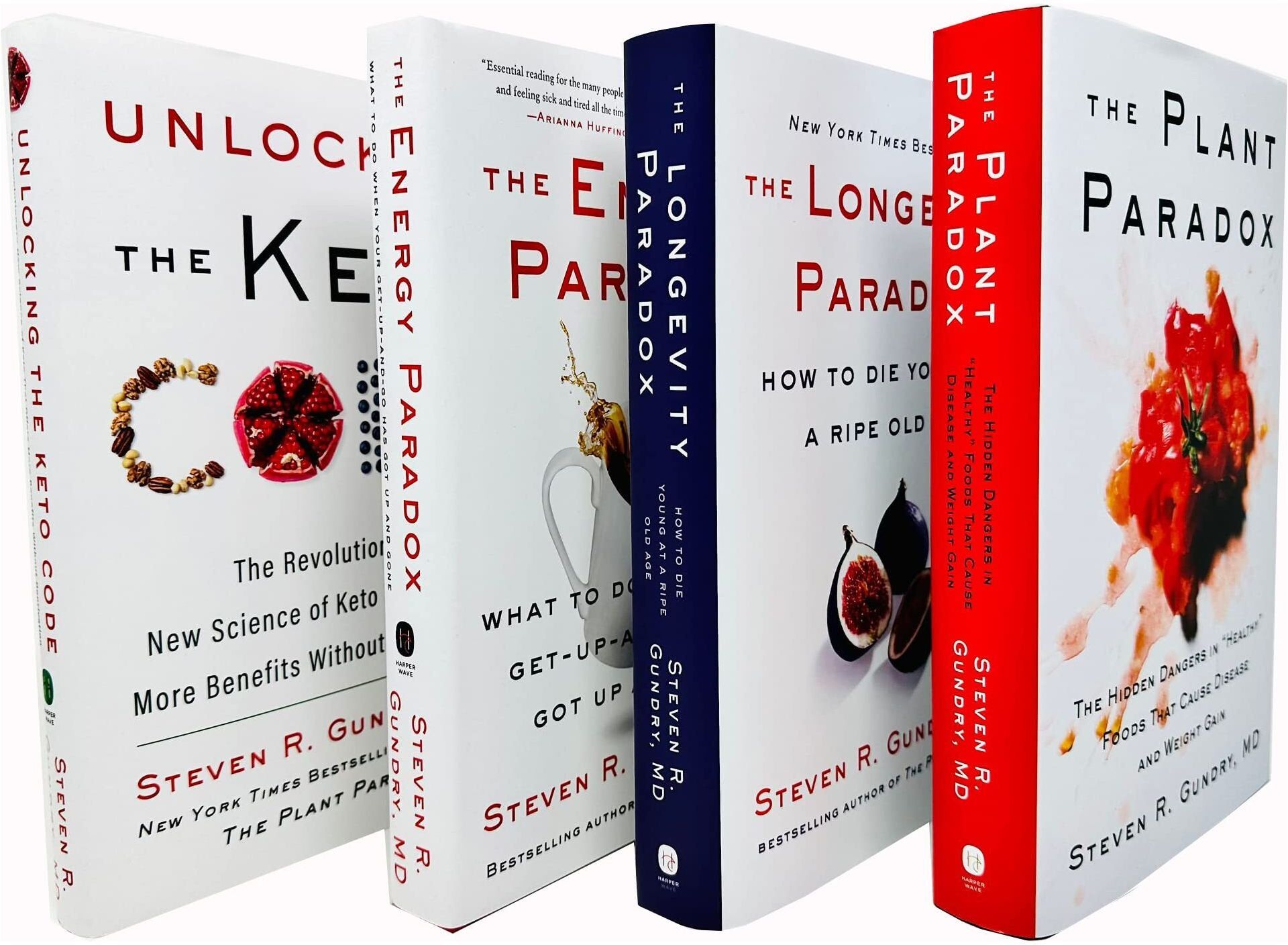
HarperWave ltd Dr. Steven R Gundry MD 4 Books Collection Set (The Plant Paradox, The Longevity Paradox, The Energy Paradox and Unlocking The Keto Code)Dr. Steven R Gundry MD 4 Books Collection Set (The Plant Paradox, The Longevity Paradox, The Energy Paradox & Unlocking The Keto Code): The Plant Paradox: In The Plant Paradox, renowned cardiologist Dr. Steven Gundry reveals that gluten is just one variety of a common, and highly toxic, plant-based protein called lectin. Lectins are found not only in grains like wheat but also in the “gluten-free” foods most of us commonly regard as healthy, including many fruits, vegetables, nuts, beans, and conventional dairy products. The Longevity Paradox: This groundbreaking book holds the answer. Working with thousands of patients, Dr. Gundry has discovered that the “diseases of aging” we most fear are not simply a function of age; rather, they are a byproduct of the way we have lived over the decades. In The Longevity Paradox, he maps out a new approach to aging well—one that is based on supporting the health of the “oldest” parts of us: the microorganisms that live within our bodies. The Energy Paradox: In The Energy Paradox, Dr. Gundry expands upon his previous discussions of gut, microbiome, and mitochondrial health, linking immune malfunction to the mental and physical symptoms of fatigue—including exhaustion, brain fog, depression, anxiety, and low metabolism. As Dr. Gundry explains, feeling tired, moody, and zapped of energy is not normal, no matter your workload or age. Unlocking the Keto Code: In Unlocking the Keto Code, Dr. Gundry reveals the biological mechanism that makes keto diets so successful: a cellular process known as “mitochondrial uncoupling.” As it turns out, ketones are not the magical fuel source they’ve been made out to be; in fact, the body cannot run on ketones and fats alone.24,90 £*Shipping: 2,99 £Secure redirect to the provider
-
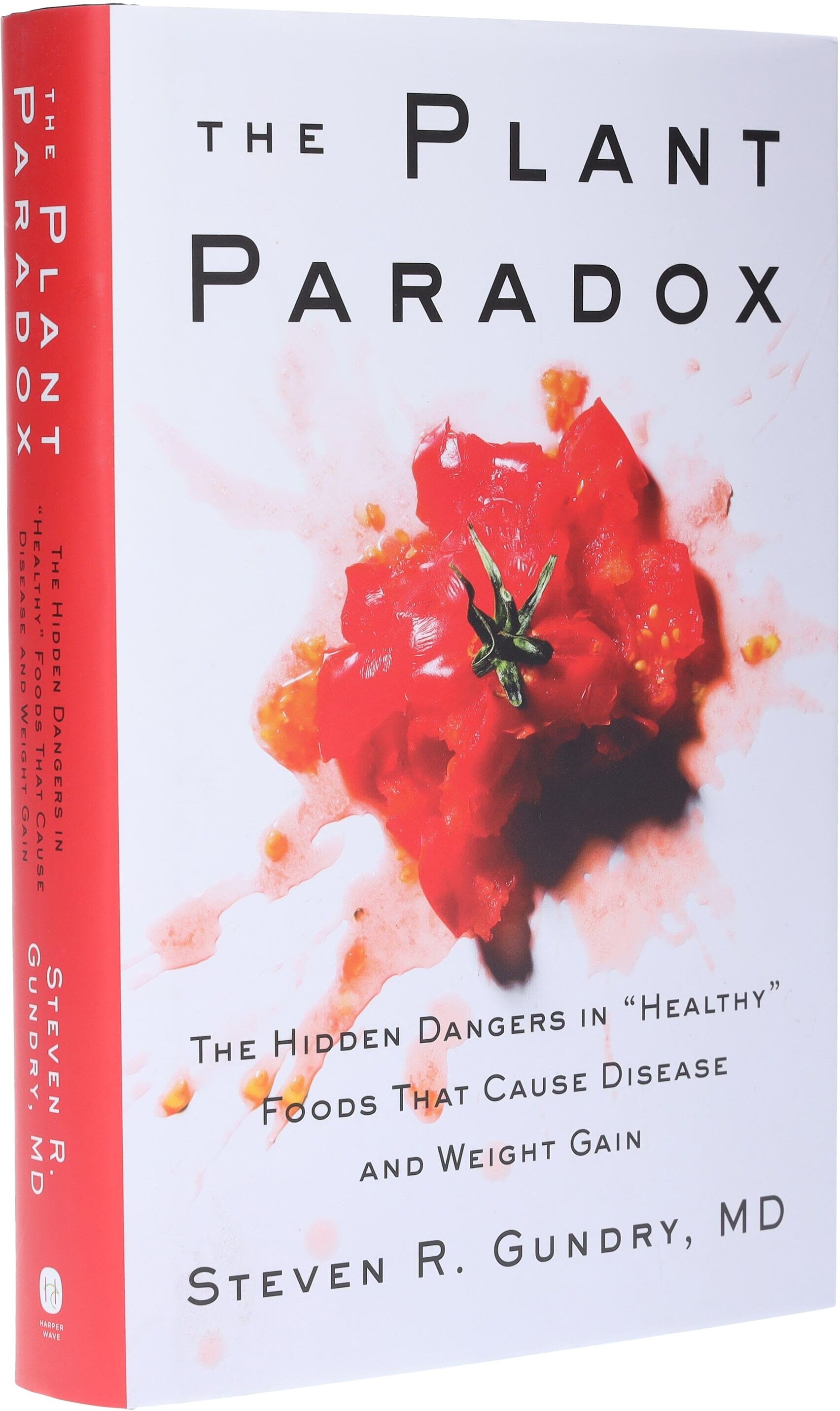
The Plant Paradox: By Dr. Steven R Gundry, MD - Non Fiction - Hardback HarperCollins PublishersThe Plant Paradox: The Hidden Dangers in Healthy Foods That Cause Disease and Weight Gain By Dr. Steven R Gundry MD. From renowned cardiac surgeon Steven R. Gundry, MD The Plant Paradox is a revolutionary look at the hidden compounds in "healthy" foods like fruit, vegetables, and whole grains that are causing us to gain weight and develop chronic disease. Most of us have heard of gluten—a protein found in wheat that causes widespread inflammation in the body. Americans spend billions of dollars on gluten-free diets in an effort to protect their health. But what if we’ve been missing the root of the problem? In The Plant Paradox , renowned cardiologist Dr. Steven Gundry reveals that gluten is just one variety of a common, and highly toxic, plant-based protein called lectin. Lectins are found not only in grains like wheat but also in the “gluten-free” foods most of us commonly regard as healthy, including many fruits, vegetables, nuts, beans, and conventional dairy products. These proteins, which are found in the seeds, grains, skins, rinds, and leaves of plants, are designed by nature to protect them from predators (including humans). Once ingested, they incite a kind of chemical warfare in our bodies, causing inflammatory reactions that can lead to weight gain and serious health conditions. At his waitlist-only clinics in California, Dr. Gundry has successfully treated tens of thousands of patients suffering from autoimmune disorders, diabetes, leaky gut syndrome, heart disease, and neurodegenerative diseases with a protocol that detoxes the cells, repairs the gut, and nourishes the body. Now, in The Plant Paradox , he shares this clinically proven program with readers around the world. The simple (and daunting) fact is, lectins are everywhere. Thankfully, Dr. Gundry offers simple hacks we easily can employ to avoid them, including: Peel your veggies. Most of the lectins are contained in the skin and seeds of plants; simply peeling and de-seeding vegetables (like tomatoes and peppers) reduces their lectin content. Shop for fruit in season. Fruit contain fewer lectins when ripe, so eating apples, berries, and other lectin-containing fruits at the peak of ripeness helps minimize your lectin consumption. Swap your brown rice for white. Whole grains and seeds with hard outer coatings are designed by nature to cause digestive distress—and are full of lectins. With a full list of lectin-containing foods and simple substitutes for each, a step-by-step detox and eating plan, and delicious lectin-free recipes, The Plant Paradox illuminates the hidden dangers lurking in your salad bowl—and shows you how to eat whole foods in a whole new way.12,49 £*Shipping: 2,99 £Secure redirect to the provider
-
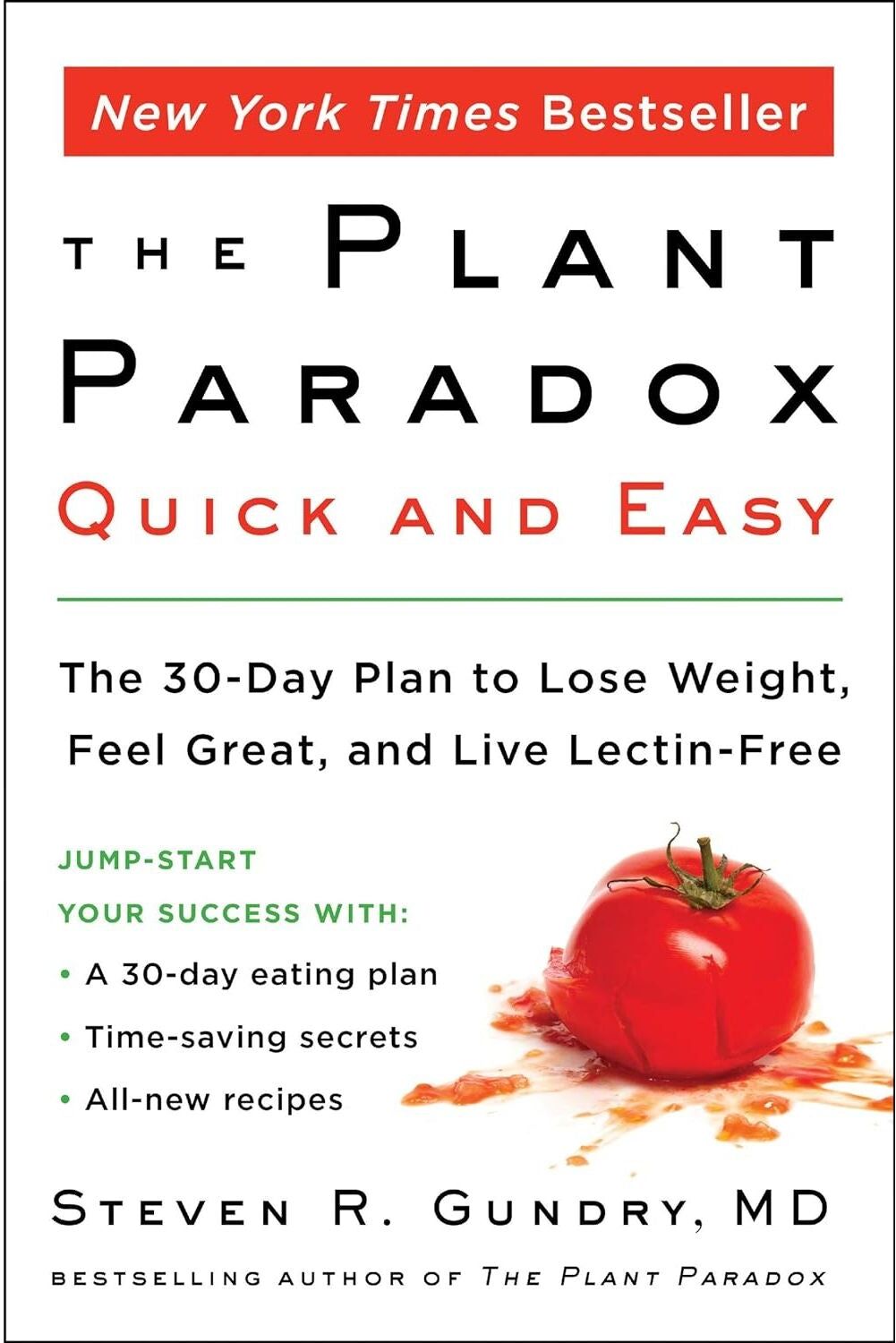
Harper Wave The Plant Paradox Quick & Easy by Steven R. Gundry – 30-Day Lectin-Free Diet Plan & RecipesFrom bestselling author Dr. Steven Gundry, a quick and easy guide to The Plant Paradox program that gives readers the tools to enjoy the benefits of lectin-free eating in just 30 days.In Dr. Steven Gundry’s breakout bestseller The Plant Paradox, readers learned the surprising truth about foods that have long been regarded as healthy. Lectins—a type of protein found in fruits, vegetables, legumes, dairy, and grains—wreak havoc on the gut, creating systemic inflammation and laying the groundwork for disease and weight gain. Avoiding lectins offers incredible health benefits but requires a significant lifestyle change—one that, for many people, can feel overwhelming. Now, in The Plant Paradox Quick and Easy, Dr. Gundry makes it simpler than ever to go lectin free. His 30-day challenge offers incentives, support, and results along with a toolkit for success. With grocery lists, meal plans, time-saving cooking strategies, all-new recipes, and guidance for families and those following specialized diets (including ketogenic and vegan), The Plant Paradox Quick and Easy is the all-in-one resource Plant Paradox fans and newcomers alike need to jumpstart results reap the health benefits of living lectin-free.5,49 £*Shipping: 2,99 £Secure redirect to the provider
-
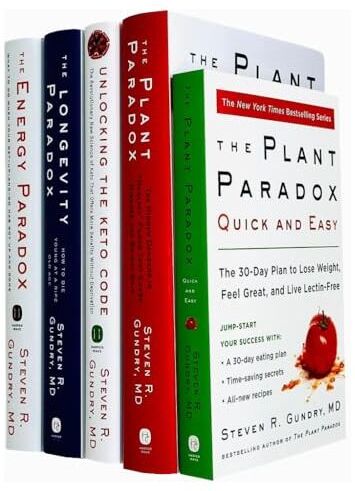
Harper ltd Dr Steven R Gundry 5 Books Collection Set – Plant Paradox, Diet & Gut Health Nutrition CollectionDr. Steven R Gundry MD 5 Books Collection Set (The Plant Paradox, The Longevity Paradox, The Energy Paradox, Unlocking The Keto Code & [Paperback] The Plant Paradox Quick and Easy): The Plant Paradox Quick and Easy[Paperback]: The Plant Paradox, readers learned the surprising truth about foods that have long been regarded as healthy. Lectins—a type of protein found in fruits, vegetables, legumes, dairy, and grains—wreak havoc on the gut, creating systemic inflammation and laying the groundwork for disease and weight gain. The Plant Paradox: In The Plant Paradox, renowned cardiologist Dr. Steven Gundry reveals that gluten is just one variety of a common, and highly toxic, plant-based protein called lectin. Lectins are found not only in grains like wheat but also in the “gluten-free” foods. The Longevity Paradox: Dr. Gundry has discovered that the “diseases of aging” we most fear are not simply a function of age; rather, they are a byproduct of the way we have lived over the decades. In The Longevity Paradox, he maps out a new approach to aging well—one that is based on supporting the health of the “oldest” parts of us: the microorganisms that live within our bodies. The Energy Paradox: Dr. Gundry expands upon his previous discussions of gut, microbiome, and mitochondrial health, linking immune malfunction to the mental and physical symptoms of fatigue—including exhaustion, brain fog, depression, anxiety, and low metabolism. Unlocking the Keto Code: In Unlocking the Keto Code, Dr. Gundry reveals the biological mechanism that makes keto diets so successful: a cellular process known as “mitochondrial uncoupling.” As it turns out, ketones are not the magical fuel source they’ve been made out to be.22,45 £*Shipping: 2,99 £Secure redirect to the provider
-
What is the difference between plant-based and animal-based protein?
Plant-based protein comes from sources such as beans, lentils, nuts, and seeds, while animal-based protein comes from sources such as meat, dairy, and eggs. Plant-based protein tends to be lower in saturated fat and cholesterol, and higher in fiber and certain vitamins and minerals. Animal-based protein, on the other hand, tends to be higher in complete proteins, which means they contain all the essential amino acids our bodies need. Both types of protein can be part of a healthy diet, and it's important to include a variety of protein sources in your meals. **
-
Which plant-based milk alternative do you like the most?
I personally enjoy almond milk the most as a plant-based milk alternative. I find its slightly nutty flavor to be delicious and versatile for use in both sweet and savory dishes. Additionally, almond milk is low in calories and a good source of vitamin E and calcium, making it a healthy choice for me. Overall, almond milk is my go-to plant-based milk alternative for its taste and nutritional benefits. **
-
Which plant-based milk alternative tastes similar to cow's milk?
Soy milk is often considered the plant-based milk alternative that tastes most similar to cow's milk. It has a creamy texture and a slightly sweet and nutty flavor that is reminiscent of dairy milk. Soy milk is also a good source of protein and can be used in a variety of recipes as a substitute for cow's milk. **
-
Room plant affected by white spots?
White spots on a room plant could be a sign of a few different issues. One common cause is powdery mildew, a fungal disease that appears as white powdery spots on the leaves. Another possibility is mealybugs, small white insects that can infest and damage plants. It's important to identify the cause of the white spots in order to treat the plant effectively. Regularly inspecting and caring for your plants can help prevent and address these issues. **

Was eaten by a carnivorous plant?
It is possible that someone was eaten by a carnivorous plant, as there have been cases of people being injured or killed by these plants. Carnivorous plants are capable of trapping and digesting small animals and insects, and while they are not typically large enough to consume a human, it is not impossible for a person to be harmed by one. However, such incidents are extremely rare and typically occur due to accidental contact with the plant rather than intentional consumption. **
What is plant-based gelatin?
Plant-based gelatin is a type of gelatin that is made from plant sources, such as seaweed or agar-agar. It is a vegan alternative to traditional gelatin, which is derived from animal collagen. Plant-based gelatin can be used in a variety of food and beverage products to provide the same gelling and thickening properties as traditional gelatin, without the use of animal products. It is a popular choice for those following a vegan or vegetarian diet, as well as for individuals looking to reduce their consumption of animal-derived ingredients. **
Top-Angebote
Products related to The-Plant-Paradox-By:
-
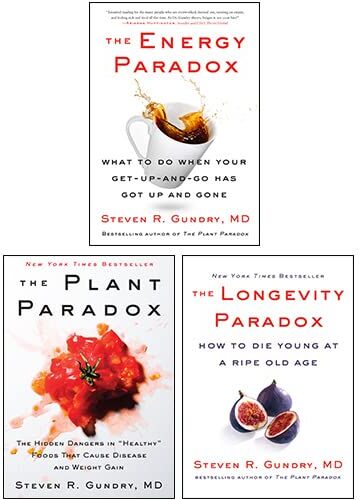
Harper Dr. Steven R Gundry MD 3 Books Collection Set (The Plant Paradox, The Longevity Paradox & The Energy Paradox)Dr. Steven R Gundry MD 3 Books Collection Set (The Plant Paradox, The Longevity Paradox & The Energy Paradox): The Plant Paradox: In The Plant Paradox, renowned cardiologist Dr. Steven Gundry reveals that gluten is just one variety of a common, and highly toxic, plant-based protein called lectin. Lectins are found not only in grains like wheat but also in the “gluten-free” foods most of us commonly regard as healthy, including many fruits, vegetables, nuts, beans, and conventional dairy products. These proteins, which are found in the seeds, grains, skins, rinds, and leaves of plants, are designed by nature to protect them from predators (including humans). The Longevity Paradox: This groundbreaking book holds the answer. Working with thousands of patients, Dr. Gundry has discovered that the “diseases of aging” we most fear are not simply a function of age; rather, they are a byproduct of the way we have lived over the decades. In The Longevity Paradox, he maps out a new approach to aging well—one that is based on supporting the health of the “oldest” parts of us: the microorganisms that live within our bodies. The Energy Paradox: In The Energy Paradox, Dr. Gundry expands upon his previous discussions of gut, microbiome, and mitochondrial health, linking immune malfunction to the mental and physical symptoms of fatigue—including exhaustion, brain fog, depression, anxiety, and low metabolism. As Dr. Gundry explains, feeling tired, moody, and zapped of energy is not normal, no matter your workload or age. Fatigue is an SOS flare from the body, one that is intended to alert us that something is wrong.18,99 £*Shipping: 2,99 £Secure redirect to the provider
-
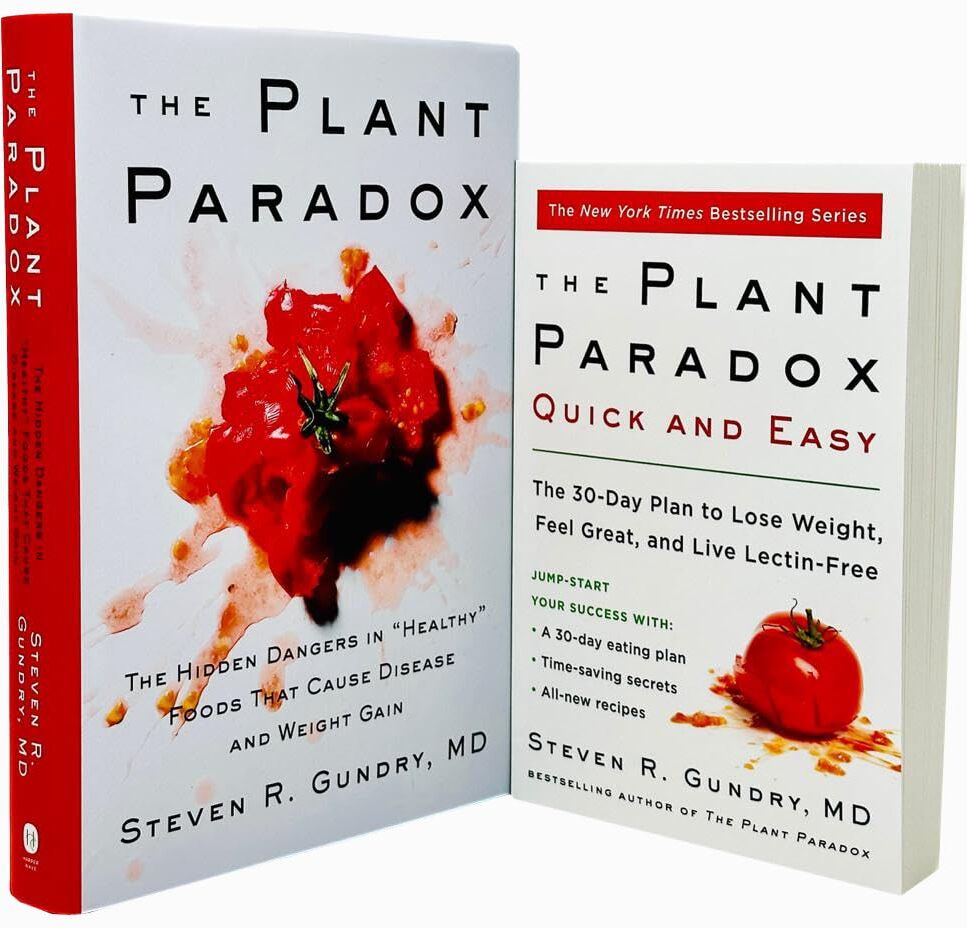
Harper The Plant Paradox & The Plant Paradox Quick and Easy 2 Book Collection Set by Steven R. Gundry – 30-Day Diet Plan & Health GuideThe Plant Paradox Series 2 Books Collection Set By Dr. Steven R Gundry MD (The Plant Paradox [Hardcover] & The Plant Paradox Quick and Easy: The 30-Day Plan to Lose Weight, Feel Great, and Live Lectin-Free): The Plant Paradox [Hardcover]: In The Plant Paradox, renowned cardiologist Dr. Steven Gundry reveals that gluten is just one variety of a common, and highly toxic, plant-based protein called lectin. Lectins are found not only in grains like wheat but also in the “gluten-free” foods most of us commonly regard as healthy, including many fruits, vegetables, nuts, beans, and conventional dairy products. These proteins, which are found in the seeds, grains, skins, rinds, and leaves of plants, are designed by nature to protect them from predators (including humans). Once ingested, they incite a kind of chemical warfare in our bodies, causing inflammatory reactions that can lead to weight gain and serious health conditions. The Plant Paradox Quick and Easy: In Dr. Steven Gundry’s breakout bestseller The Plant Paradox, readers learned the surprising truth about foods that have long been regarded as healthy. Lectins—a type of protein found in fruits, vegetables, legumes, dairy, and grains—wreak havoc on the gut, creating systemic inflammation and laying the groundwork for disease and weight gain. Avoiding lectins offers incredible health benefits but requires a significant lifestyle change—one that, for many people, can feel overwhelming.Now, in The Plant Paradox Quick and Easy, Dr. Gundry makes it simpler than ever to go lectin free. His 30-day challenge offers incentives, support, and results along with a toolkit for success.12,99 £*Shipping: 2,99 £Secure redirect to the provider
-
HarperWave ltd Dr. Steven R Gundry MD 4 Books Collection Set (The Plant Paradox, The Longevity Paradox, The Energy Paradox and Unlocking The Keto Code)Dr. Steven R Gundry MD 4 Books Collection Set (The Plant Paradox, The Longevity Paradox, The Energy Paradox & Unlocking The Keto Code): The Plant Paradox: In The Plant Paradox, renowned cardiologist Dr. Steven Gundry reveals that gluten is just one variety of a common, and highly toxic, plant-based protein called lectin. Lectins are found not only in grains like wheat but also in the “gluten-free” foods most of us commonly regard as healthy, including many fruits, vegetables, nuts, beans, and conventional dairy products. The Longevity Paradox: This groundbreaking book holds the answer. Working with thousands of patients, Dr. Gundry has discovered that the “diseases of aging” we most fear are not simply a function of age; rather, they are a byproduct of the way we have lived over the decades. In The Longevity Paradox, he maps out a new approach to aging well—one that is based on supporting the health of the “oldest” parts of us: the microorganisms that live within our bodies. The Energy Paradox: In The Energy Paradox, Dr. Gundry expands upon his previous discussions of gut, microbiome, and mitochondrial health, linking immune malfunction to the mental and physical symptoms of fatigue—including exhaustion, brain fog, depression, anxiety, and low metabolism. As Dr. Gundry explains, feeling tired, moody, and zapped of energy is not normal, no matter your workload or age. Unlocking the Keto Code: In Unlocking the Keto Code, Dr. Gundry reveals the biological mechanism that makes keto diets so successful: a cellular process known as “mitochondrial uncoupling.” As it turns out, ketones are not the magical fuel source they’ve been made out to be; in fact, the body cannot run on ketones and fats alone.24,90 £*Shipping: 2,99 £Secure redirect to the provider
-
The Plant Paradox: By Dr. Steven R Gundry, MD - Non Fiction - Hardback HarperCollins PublishersThe Plant Paradox: The Hidden Dangers in Healthy Foods That Cause Disease and Weight Gain By Dr. Steven R Gundry MD. From renowned cardiac surgeon Steven R. Gundry, MD The Plant Paradox is a revolutionary look at the hidden compounds in "healthy" foods like fruit, vegetables, and whole grains that are causing us to gain weight and develop chronic disease. Most of us have heard of gluten—a protein found in wheat that causes widespread inflammation in the body. Americans spend billions of dollars on gluten-free diets in an effort to protect their health. But what if we’ve been missing the root of the problem? In The Plant Paradox , renowned cardiologist Dr. Steven Gundry reveals that gluten is just one variety of a common, and highly toxic, plant-based protein called lectin. Lectins are found not only in grains like wheat but also in the “gluten-free” foods most of us commonly regard as healthy, including many fruits, vegetables, nuts, beans, and conventional dairy products. These proteins, which are found in the seeds, grains, skins, rinds, and leaves of plants, are designed by nature to protect them from predators (including humans). Once ingested, they incite a kind of chemical warfare in our bodies, causing inflammatory reactions that can lead to weight gain and serious health conditions. At his waitlist-only clinics in California, Dr. Gundry has successfully treated tens of thousands of patients suffering from autoimmune disorders, diabetes, leaky gut syndrome, heart disease, and neurodegenerative diseases with a protocol that detoxes the cells, repairs the gut, and nourishes the body. Now, in The Plant Paradox , he shares this clinically proven program with readers around the world. The simple (and daunting) fact is, lectins are everywhere. Thankfully, Dr. Gundry offers simple hacks we easily can employ to avoid them, including: Peel your veggies. Most of the lectins are contained in the skin and seeds of plants; simply peeling and de-seeding vegetables (like tomatoes and peppers) reduces their lectin content. Shop for fruit in season. Fruit contain fewer lectins when ripe, so eating apples, berries, and other lectin-containing fruits at the peak of ripeness helps minimize your lectin consumption. Swap your brown rice for white. Whole grains and seeds with hard outer coatings are designed by nature to cause digestive distress—and are full of lectins. With a full list of lectin-containing foods and simple substitutes for each, a step-by-step detox and eating plan, and delicious lectin-free recipes, The Plant Paradox illuminates the hidden dangers lurking in your salad bowl—and shows you how to eat whole foods in a whole new way.12,49 £*Shipping: 2,99 £Secure redirect to the provider
-
What is the difference between a cultivated plant and a wild plant?
A cultivated plant is one that has been intentionally grown and managed by humans for specific purposes such as food, medicine, or ornamentation. These plants are typically domesticated and have undergone selective breeding to enhance desirable traits. On the other hand, a wild plant grows naturally in its native habitat without human intervention or cultivation. Wild plants have evolved in their natural environment and are adapted to survive without human assistance. **
-
What is better, animal or plant-based protein?
Both animal and plant-based proteins have their own benefits. Animal-based proteins tend to be complete proteins, meaning they contain all essential amino acids needed by the body. On the other hand, plant-based proteins are often lower in saturated fats and cholesterol, making them a healthier option for heart health. Ultimately, the best choice depends on individual dietary preferences and health goals. It is recommended to include a variety of protein sources in your diet to ensure you are getting all the essential nutrients your body needs. **
-
What is the difference between plant-based and animal-based protein?
Plant-based protein comes from sources such as beans, lentils, nuts, and seeds, while animal-based protein comes from sources such as meat, dairy, and eggs. Plant-based protein tends to be lower in saturated fat and cholesterol, and higher in fiber and certain vitamins and minerals. Animal-based protein, on the other hand, tends to be higher in complete proteins, which means they contain all the essential amino acids our bodies need. Both types of protein can be part of a healthy diet, and it's important to include a variety of protein sources in your meals. **
-
Which plant-based milk alternative do you like the most?
I personally enjoy almond milk the most as a plant-based milk alternative. I find its slightly nutty flavor to be delicious and versatile for use in both sweet and savory dishes. Additionally, almond milk is low in calories and a good source of vitamin E and calcium, making it a healthy choice for me. Overall, almond milk is my go-to plant-based milk alternative for its taste and nutritional benefits. **
Similar search terms for The-Plant-Paradox-By
-
Harper Wave The Plant Paradox Quick & Easy by Steven R. Gundry – 30-Day Lectin-Free Diet Plan & RecipesFrom bestselling author Dr. Steven Gundry, a quick and easy guide to The Plant Paradox program that gives readers the tools to enjoy the benefits of lectin-free eating in just 30 days.In Dr. Steven Gundry’s breakout bestseller The Plant Paradox, readers learned the surprising truth about foods that have long been regarded as healthy. Lectins—a type of protein found in fruits, vegetables, legumes, dairy, and grains—wreak havoc on the gut, creating systemic inflammation and laying the groundwork for disease and weight gain. Avoiding lectins offers incredible health benefits but requires a significant lifestyle change—one that, for many people, can feel overwhelming. Now, in The Plant Paradox Quick and Easy, Dr. Gundry makes it simpler than ever to go lectin free. His 30-day challenge offers incentives, support, and results along with a toolkit for success. With grocery lists, meal plans, time-saving cooking strategies, all-new recipes, and guidance for families and those following specialized diets (including ketogenic and vegan), The Plant Paradox Quick and Easy is the all-in-one resource Plant Paradox fans and newcomers alike need to jumpstart results reap the health benefits of living lectin-free.5,49 £*Shipping: 2,99 £Secure redirect to the provider
-
Harper ltd Dr Steven R Gundry 5 Books Collection Set – Plant Paradox, Diet & Gut Health Nutrition CollectionDr. Steven R Gundry MD 5 Books Collection Set (The Plant Paradox, The Longevity Paradox, The Energy Paradox, Unlocking The Keto Code & [Paperback] The Plant Paradox Quick and Easy): The Plant Paradox Quick and Easy[Paperback]: The Plant Paradox, readers learned the surprising truth about foods that have long been regarded as healthy. Lectins—a type of protein found in fruits, vegetables, legumes, dairy, and grains—wreak havoc on the gut, creating systemic inflammation and laying the groundwork for disease and weight gain. The Plant Paradox: In The Plant Paradox, renowned cardiologist Dr. Steven Gundry reveals that gluten is just one variety of a common, and highly toxic, plant-based protein called lectin. Lectins are found not only in grains like wheat but also in the “gluten-free” foods. The Longevity Paradox: Dr. Gundry has discovered that the “diseases of aging” we most fear are not simply a function of age; rather, they are a byproduct of the way we have lived over the decades. In The Longevity Paradox, he maps out a new approach to aging well—one that is based on supporting the health of the “oldest” parts of us: the microorganisms that live within our bodies. The Energy Paradox: Dr. Gundry expands upon his previous discussions of gut, microbiome, and mitochondrial health, linking immune malfunction to the mental and physical symptoms of fatigue—including exhaustion, brain fog, depression, anxiety, and low metabolism. Unlocking the Keto Code: In Unlocking the Keto Code, Dr. Gundry reveals the biological mechanism that makes keto diets so successful: a cellular process known as “mitochondrial uncoupling.” As it turns out, ketones are not the magical fuel source they’ve been made out to be.22,45 £*Shipping: 2,99 £Secure redirect to the provider
-
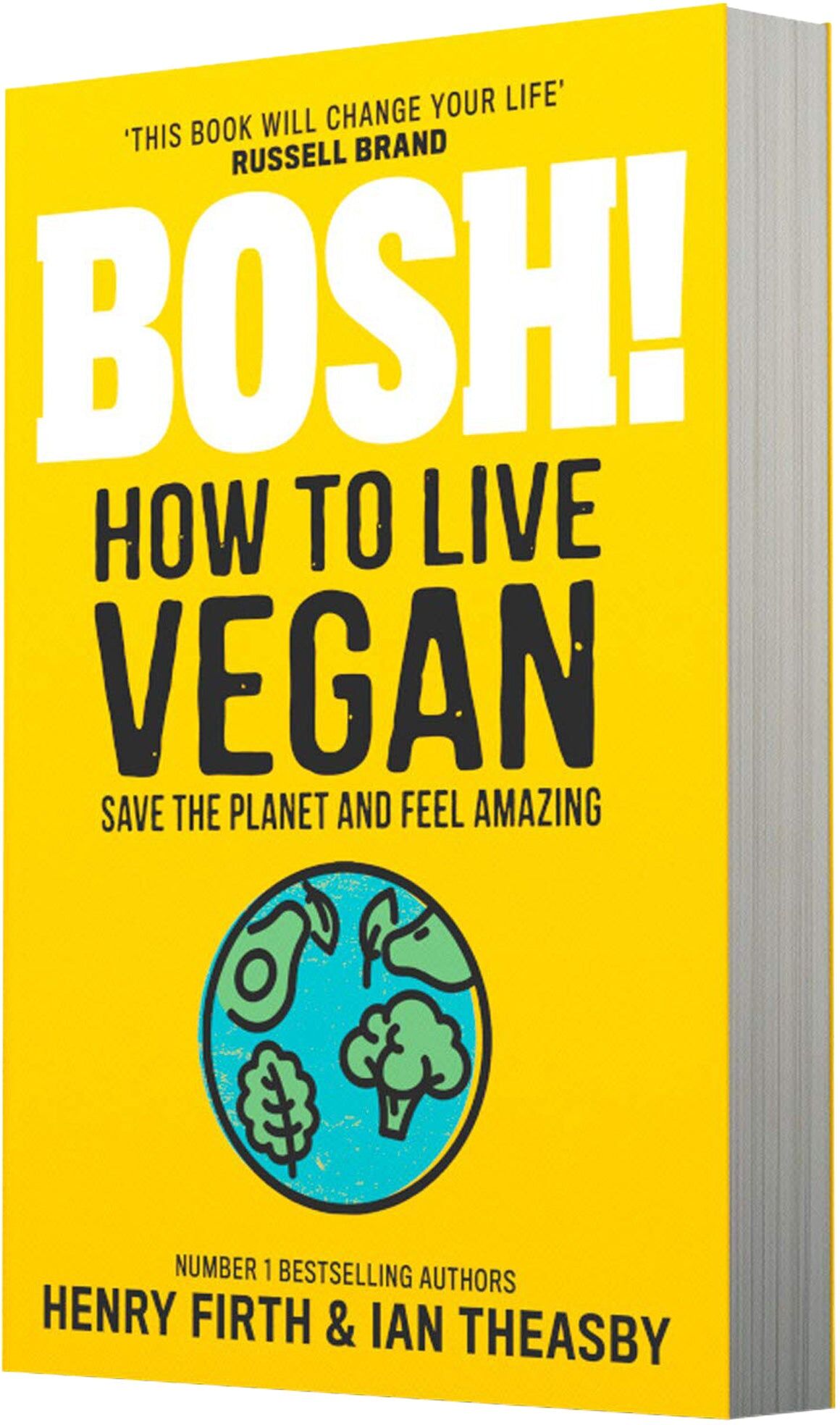
HQ BOSH! How to Live Vegan: Simple tips and easy eco-friendly plant based hacks from the #1 Sunday Times bestselling authors. PaperbackBOSH!, the pioneers of simple, easy and delicious plant-based cooking, are here to make a sustainable and ethical lifestyle accessible to everyone. BOSH! How to Live Vegan will help you make a few positive changes that will have a huge impact on the world around you. It covers all aspects of vegan living, everything from food to toiletries to travel. Should you be eating avocados? Is it still ok to wear an old leather belt? What do you tell your friends when they offer you a glass of non-vegan wine? Henry and Ian will answer these questions and more in this fully-comprehensive guide to the how and the why of a plant-based lifestyle. Henry and Ian answer all the questions and more, with easy tips and simple hacks to help you live a more sustainable life. Whether you’re already vegan or just about to start on your vegan journey, this is all the inspiration you need.3,94 £*Shipping: 1,99 £Secure redirect to the provider
-
Harper The Longevity Paradox by Steven R. Gundry – Healthy Aging & Nutrition GuideRethink aging and long-term wellness with The Longevity Paradox: How to Die Young at a Ripe Old Age by Steven R. Gundry. In this accessible health guide, Dr. Gundry explores how lifestyle choices — including diet, gut health, and daily habits — may influence how we age. Drawing on research and clinical insights, the book introduces practical strategies aimed at supporting energy, resilience, and overall wellbeing throughout life. Written in a clear, motivating style, The Longevity Paradox encourages readers to take an active role in shaping healthier routines, focusing on prevention and sustainable habits rather than quick fixes. Why Readers Love This Book: Practical insights into healthy aging Focus on nutrition, gut health, and lifestyle habits Accessible science explained clearly Encourages long-term wellness strategies Motivating and easy to follow A thought-provoking guide to living well at every age, The Longevity Paradox inspires readers to rethink how they approach health and longevity.5,99 £*Shipping: 2,99 £Secure redirect to the provider
-
Which plant-based milk alternative tastes similar to cow's milk?
Soy milk is often considered the plant-based milk alternative that tastes most similar to cow's milk. It has a creamy texture and a slightly sweet and nutty flavor that is reminiscent of dairy milk. Soy milk is also a good source of protein and can be used in a variety of recipes as a substitute for cow's milk. **
-
Room plant affected by white spots?
White spots on a room plant could be a sign of a few different issues. One common cause is powdery mildew, a fungal disease that appears as white powdery spots on the leaves. Another possibility is mealybugs, small white insects that can infest and damage plants. It's important to identify the cause of the white spots in order to treat the plant effectively. Regularly inspecting and caring for your plants can help prevent and address these issues. **
-
Was eaten by a carnivorous plant?
It is possible that someone was eaten by a carnivorous plant, as there have been cases of people being injured or killed by these plants. Carnivorous plants are capable of trapping and digesting small animals and insects, and while they are not typically large enough to consume a human, it is not impossible for a person to be harmed by one. However, such incidents are extremely rare and typically occur due to accidental contact with the plant rather than intentional consumption. **
-
What is plant-based gelatin?
Plant-based gelatin is a type of gelatin that is made from plant sources, such as seaweed or agar-agar. It is a vegan alternative to traditional gelatin, which is derived from animal collagen. Plant-based gelatin can be used in a variety of food and beverage products to provide the same gelling and thickening properties as traditional gelatin, without the use of animal products. It is a popular choice for those following a vegan or vegetarian diet, as well as for individuals looking to reduce their consumption of animal-derived ingredients. **
* All prices are inclusive of VAT and, if applicable, plus shipping costs. The offer information is based on the details provided by the respective shop and is updated through automated processes. Real-time updates do not occur, so deviations can occur in individual cases. ** Note: Parts of this content were created by AI.