Buy future-food.eu ?
We are moving the project
future-food.eu .
Are you interested in purchasing the domain
future-food.eu ?
domain@kv-gmbh.de · 0541-91531010
Buy future-food.eu ?
What is a plant cell?
A plant cell is a type of eukaryotic cell that is the basic structural and functional unit of a plant. It contains a cell wall, chloroplasts, a large central vacuole, and other organelles such as the nucleus, endoplasmic reticulum, and mitochondria. The cell wall provides structural support and protection, while chloroplasts are responsible for photosynthesis, producing energy for the plant. The central vacuole stores water, nutrients, and waste products. Plant cells are essential for the growth, development, and survival of plants. **
How does cell-cell recognition work based on the sponge experiment?
In the sponge experiment, cells from two different sponge species were dissociated and then reaggregated. The cells were able to recognize and sort themselves based on their species, showing a form of cell-cell recognition. This recognition is believed to be mediated by cell surface molecules that allow cells to adhere to and interact with cells of the same species, leading to the formation of distinct cell clusters. This experiment demonstrates the importance of cell-cell recognition in the process of cell sorting and tissue formation. **

Similar search terms for Cell
Top-Angebote
Products related to Cell:
-
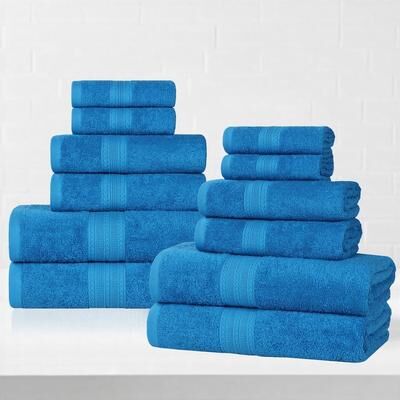
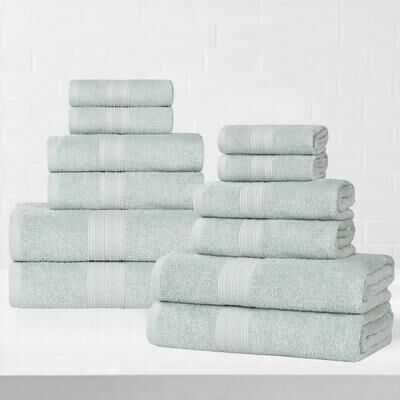
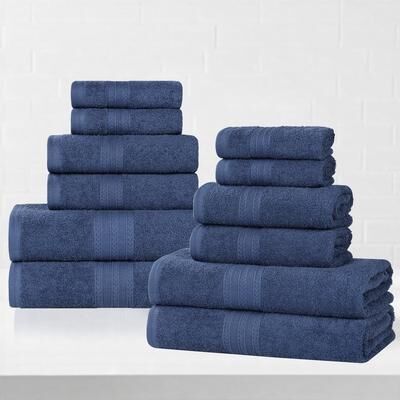
Superior Eco-Friendly Sustainable Cotton 12-Piece Bathroom Towel SetMade with incredibly soft recycled cotton, the Eco-Friendly Sustainable Cotton Bathroom Towel Set is the perfect green addition to any bathroom space. Our sustainable Cotton towels are lightweight to get you dry quickly after a shower or bath.78,99 $*Shipping: 0,00 $Secure redirect to the provider
-
Superior Eco-Friendly Sustainable Cotton 12-Piece Bathroom Towel SetMade with incredibly soft recycled cotton, the Eco-Friendly Sustainable Cotton Bathroom Towel Set is the perfect green addition to any bathroom space. Our sustainable Cotton towels are lightweight to get you dry quickly after a shower or bath.63,19 $*Shipping: 0,00 $Secure redirect to the provider
-
Superior Eco-Friendly Sustainable Cotton 12-Piece Bathroom Towel SetMade with incredibly soft recycled cotton, the Eco-Friendly Sustainable Cotton Bathroom Towel Set is the perfect green addition to any bathroom space. Our sustainable Cotton towels are lightweight to get you dry quickly after a shower or bath.61,91 $*Shipping: 0,00 $Secure redirect to the provider
-
Superior Eco-Friendly Sustainable Cotton 12-Piece Bathroom Towel SetMade with incredibly soft recycled cotton, the Eco-Friendly Sustainable Cotton Bathroom Towel Set is the perfect green addition to any bathroom space. Our sustainable Cotton towels are lightweight to get you dry quickly after a shower or bath.64,59 $*Shipping: 0,00 $Secure redirect to the provider


-
What is the difference between a human cell and a plant cell?
One of the main differences between a human cell and a plant cell is the presence of a cell wall in plant cells. Plant cells have a rigid cell wall made of cellulose outside the cell membrane, providing structural support and protection. Human cells do not have a cell wall, instead, they have a flexible cell membrane that surrounds the cell. Another key difference is the presence of chloroplasts in plant cells, which are responsible for photosynthesis, the process by which plants convert sunlight into energy. Human cells do not have chloroplasts. Additionally, plant cells typically have a large central vacuole that stores water, nutrients, and waste products, while human cells have smaller vacuoles or none at all. Overall, these differences in cell structure reflect the different functions and adaptations of plant and human cells to their respective environments and lifestyles. **
-
What is the difference between an animal cell and a plant cell?
The main difference between an animal cell and a plant cell is the presence of a cell wall and chloroplasts in plant cells. Plant cells have a rigid cell wall made of cellulose, which provides structural support and protection, while animal cells do not have a cell wall. Additionally, plant cells contain chloroplasts, which are responsible for photosynthesis and contain the green pigment chlorophyll, while animal cells do not have chloroplasts. Both types of cells contain a nucleus, cytoplasm, and organelles such as mitochondria and endoplasmic reticulum, but the presence of a cell wall and chloroplasts are the key differences between the two. **
-
What is the difference between a plant cell and an animal cell?
The main difference between a plant cell and an animal cell is the presence of a cell wall in plant cells, which provides structural support and protection. Plant cells also contain chloroplasts, which are responsible for photosynthesis and contain the green pigment chlorophyll. Additionally, plant cells typically have a large central vacuole that stores water, nutrients, and waste products. Animal cells, on the other hand, do not have a cell wall or chloroplasts, and their vacuoles are smaller and more numerous. **
-
What are the differences between a human cell and a plant cell?
Human cells and plant cells have several differences. One major difference is the presence of a cell wall in plant cells, which provides structural support and protection. Plant cells also contain chloroplasts, which are responsible for photosynthesis and giving plants their green color, while human cells do not. Additionally, plant cells have a large central vacuole that stores water and helps maintain turgor pressure, while human cells have smaller vacuoles. Lastly, plant cells have a rectangular or square shape, while human cells are typically round or irregular in shape. **

How can one create a plant cell?
To create a plant cell, you would first need to obtain a plant sample, such as a leaf or stem. Next, you would need to isolate the plant cells from the sample using techniques like maceration or enzymatic digestion. Once the cells are isolated, you can place them in a suitable nutrient medium to encourage their growth and division. With the right conditions, the plant cells will form a callus, which can then be induced to differentiate into specific cell types to create a plant cell. **
Can a plant cell have 2 vacuoles?
Yes, a plant cell can have multiple vacuoles. While most plant cells typically have one large central vacuole, some plant cells may have multiple smaller vacuoles. These vacuoles serve various functions such as storing nutrients, maintaining turgor pressure, and storing waste products. The number and size of vacuoles can vary depending on the specific needs of the cell and the stage of development. **
Top-Angebote
Products related to Cell:
-
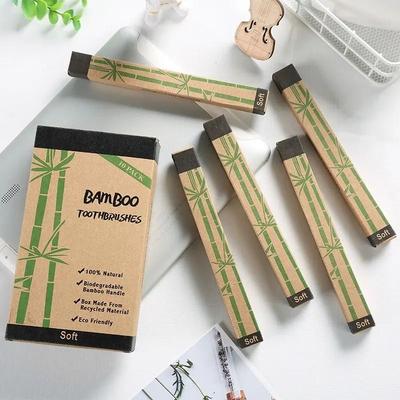
Uplift Essentials Natural Bamboo Eco Friendly Toothbrush 10 Piece Sustainable Family Pack Natural Bamboo Eco Friendly Toothbrush 10 Piece Sustainable Family PackTransition to a greener routine with this Natural Bamboo Toothbrush Set, a premium collection of bamboo products designed to reduce environmental impact without compromising on performance. Each handle is crafted from 100% sustainable bamboo,...37,97 $*Shipping: 0,00 $Secure redirect to the provider
-
Superior Eco-Friendly Sustainable Cotton 12-Piece Bathroom Towel SetMade with incredibly soft recycled cotton, the Eco-Friendly Sustainable Cotton Bathroom Towel Set is the perfect green addition to any bathroom space. Our sustainable Cotton towels are lightweight to get you dry quickly after a shower or bath.78,99 $*Shipping: 0,00 $Secure redirect to the provider
-
Superior Eco-Friendly Sustainable Cotton 12-Piece Bathroom Towel SetMade with incredibly soft recycled cotton, the Eco-Friendly Sustainable Cotton Bathroom Towel Set is the perfect green addition to any bathroom space. Our sustainable Cotton towels are lightweight to get you dry quickly after a shower or bath.63,19 $*Shipping: 0,00 $Secure redirect to the provider
-
What is a plant cell?
A plant cell is a type of eukaryotic cell that is the basic structural and functional unit of a plant. It contains a cell wall, chloroplasts, a large central vacuole, and other organelles such as the nucleus, endoplasmic reticulum, and mitochondria. The cell wall provides structural support and protection, while chloroplasts are responsible for photosynthesis, producing energy for the plant. The central vacuole stores water, nutrients, and waste products. Plant cells are essential for the growth, development, and survival of plants. **
-
How does cell-cell recognition work based on the sponge experiment?
In the sponge experiment, cells from two different sponge species were dissociated and then reaggregated. The cells were able to recognize and sort themselves based on their species, showing a form of cell-cell recognition. This recognition is believed to be mediated by cell surface molecules that allow cells to adhere to and interact with cells of the same species, leading to the formation of distinct cell clusters. This experiment demonstrates the importance of cell-cell recognition in the process of cell sorting and tissue formation. **
-
What is the difference between a human cell and a plant cell?
One of the main differences between a human cell and a plant cell is the presence of a cell wall in plant cells. Plant cells have a rigid cell wall made of cellulose outside the cell membrane, providing structural support and protection. Human cells do not have a cell wall, instead, they have a flexible cell membrane that surrounds the cell. Another key difference is the presence of chloroplasts in plant cells, which are responsible for photosynthesis, the process by which plants convert sunlight into energy. Human cells do not have chloroplasts. Additionally, plant cells typically have a large central vacuole that stores water, nutrients, and waste products, while human cells have smaller vacuoles or none at all. Overall, these differences in cell structure reflect the different functions and adaptations of plant and human cells to their respective environments and lifestyles. **
-
What is the difference between an animal cell and a plant cell?
The main difference between an animal cell and a plant cell is the presence of a cell wall and chloroplasts in plant cells. Plant cells have a rigid cell wall made of cellulose, which provides structural support and protection, while animal cells do not have a cell wall. Additionally, plant cells contain chloroplasts, which are responsible for photosynthesis and contain the green pigment chlorophyll, while animal cells do not have chloroplasts. Both types of cells contain a nucleus, cytoplasm, and organelles such as mitochondria and endoplasmic reticulum, but the presence of a cell wall and chloroplasts are the key differences between the two. **
Similar search terms for Cell
-
Superior Eco-Friendly Sustainable Cotton 12-Piece Bathroom Towel SetMade with incredibly soft recycled cotton, the Eco-Friendly Sustainable Cotton Bathroom Towel Set is the perfect green addition to any bathroom space. Our sustainable Cotton towels are lightweight to get you dry quickly after a shower or bath.61,91 $*Shipping: 0,00 $Secure redirect to the provider
-
Superior Eco-Friendly Sustainable Cotton 12-Piece Bathroom Towel SetMade with incredibly soft recycled cotton, the Eco-Friendly Sustainable Cotton Bathroom Towel Set is the perfect green addition to any bathroom space. Our sustainable Cotton towels are lightweight to get you dry quickly after a shower or bath.64,59 $*Shipping: 0,00 $Secure redirect to the provider
-
Superior Eco-Friendly Sustainable Cotton 12-Piece Bathroom Towel SetMade with incredibly soft recycled cotton, the Eco-Friendly Sustainable Cotton Bathroom Towel Set is the perfect green addition to any bathroom space. Our sustainable Cotton towels are lightweight to get you dry quickly after a shower or bath.80,99 $*Shipping: 0,00 $Secure redirect to the provider
-
Superior Eco-Friendly Sustainable Cotton 12-Piece Bathroom Towel SetMade with incredibly soft recycled cotton, the Eco-Friendly Sustainable Cotton Bathroom Towel Set is the perfect green addition to any bathroom space. Our sustainable Cotton towels are lightweight to get you dry quickly after a shower or bath.59,64 $*Shipping: 0,00 $Secure redirect to the provider
-
What is the difference between a plant cell and an animal cell?
The main difference between a plant cell and an animal cell is the presence of a cell wall in plant cells, which provides structural support and protection. Plant cells also contain chloroplasts, which are responsible for photosynthesis and contain the green pigment chlorophyll. Additionally, plant cells typically have a large central vacuole that stores water, nutrients, and waste products. Animal cells, on the other hand, do not have a cell wall or chloroplasts, and their vacuoles are smaller and more numerous. **
-
What are the differences between a human cell and a plant cell?
Human cells and plant cells have several differences. One major difference is the presence of a cell wall in plant cells, which provides structural support and protection. Plant cells also contain chloroplasts, which are responsible for photosynthesis and giving plants their green color, while human cells do not. Additionally, plant cells have a large central vacuole that stores water and helps maintain turgor pressure, while human cells have smaller vacuoles. Lastly, plant cells have a rectangular or square shape, while human cells are typically round or irregular in shape. **
-
How can one create a plant cell?
To create a plant cell, you would first need to obtain a plant sample, such as a leaf or stem. Next, you would need to isolate the plant cells from the sample using techniques like maceration or enzymatic digestion. Once the cells are isolated, you can place them in a suitable nutrient medium to encourage their growth and division. With the right conditions, the plant cells will form a callus, which can then be induced to differentiate into specific cell types to create a plant cell. **
-
Can a plant cell have 2 vacuoles?
Yes, a plant cell can have multiple vacuoles. While most plant cells typically have one large central vacuole, some plant cells may have multiple smaller vacuoles. These vacuoles serve various functions such as storing nutrients, maintaining turgor pressure, and storing waste products. The number and size of vacuoles can vary depending on the specific needs of the cell and the stage of development. **
* All prices are inclusive of VAT and, if applicable, plus shipping costs. The offer information is based on the details provided by the respective shop and is updated through automated processes. Real-time updates do not occur, so deviations can occur in individual cases. ** Note: Parts of this content were created by AI.