Buy future-food.eu ?
We are moving the project
future-food.eu .
Are you interested in purchasing the domain
future-food.eu ?
domain@kv-gmbh.de · 0541-91531010
Buy future-food.eu ?
What can be done for sustainable resource cultivation?
Sustainable resource cultivation can be achieved through various measures such as implementing responsible land and water management practices, promoting biodiversity conservation, and using eco-friendly farming techniques. Additionally, investing in research and development of innovative technologies can help improve resource efficiency and reduce environmental impact. Furthermore, supporting and incentivizing small-scale and local producers can contribute to sustainable resource cultivation by promoting community resilience and reducing the carbon footprint associated with transportation and distribution. Overall, a holistic approach that considers environmental, social, and economic factors is essential for sustainable resource cultivation. **
What do you think, is rose cultivation in Kenya sustainable?
Rose cultivation in Kenya has both positive and negative impacts on the environment and economy. While it provides employment opportunities and contributes to the country's economy, it also requires significant amounts of water and pesticides, which can lead to environmental degradation. To ensure the sustainability of rose cultivation in Kenya, it is important to implement practices that minimize water usage, reduce chemical inputs, and promote biodiversity conservation. Additionally, supporting fair labor practices and ensuring the well-being of workers is crucial for the long-term sustainability of the industry. **

Similar search terms for Cultivation
Top-Angebote
Products related to Cultivation:
-
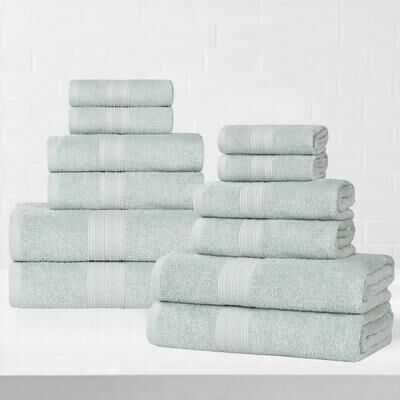
Superior Eco-Friendly Sustainable Cotton 12-Piece Bathroom Towel SetMade with incredibly soft recycled cotton, the Eco-Friendly Sustainable Cotton Bathroom Towel Set is the perfect green addition to any bathroom space. Our sustainable Cotton towels are lightweight to get you dry quickly after a shower or bath.78,99 $*Shipping: 0,00 $Secure redirect to the provider
-
Superior Eco-Friendly Sustainable Cotton 12-Piece Bathroom Towel SetMade with incredibly soft recycled cotton, the Eco-Friendly Sustainable Cotton Bathroom Towel Set is the perfect green addition to any bathroom space. Our sustainable Cotton towels are lightweight to get you dry quickly after a shower or bath.63,19 $*Shipping: 0,00 $Secure redirect to the provider
-
Superior Eco-Friendly Sustainable Cotton 12-Piece Bathroom Towel SetMade with incredibly soft recycled cotton, the Eco-Friendly Sustainable Cotton Bathroom Towel Set is the perfect green addition to any bathroom space. Our sustainable Cotton towels are lightweight to get you dry quickly after a shower or bath.61,91 $*Shipping: 0,00 $Secure redirect to the provider
-
Superior Eco-Friendly Sustainable Cotton 12-Piece Bathroom Towel SetMade with incredibly soft recycled cotton, the Eco-Friendly Sustainable Cotton Bathroom Towel Set is the perfect green addition to any bathroom space. Our sustainable Cotton towels are lightweight to get you dry quickly after a shower or bath.64,59 $*Shipping: 0,00 $Secure redirect to the provider



-
What is the difference between permanent field cultivation and shifting cultivation?
Permanent field cultivation involves the continuous cultivation of the same piece of land over a long period of time, using methods such as irrigation and fertilization to maintain soil fertility. This type of cultivation is typically practiced in areas with stable and predictable environmental conditions. On the other hand, shifting cultivation involves the clearing of small plots of land for cultivation, which are then abandoned after a few years to allow the land to regenerate. This method is often used in areas with poor soil quality or where environmental conditions are less predictable. Shifting cultivation is also known as slash-and-burn agriculture, as the cleared land is often burned to prepare it for planting. **
-
What is greenhouse cultivation?
Greenhouse cultivation is a method of growing plants in a controlled environment within a structure made of transparent material, such as glass or plastic. This structure allows sunlight to enter and trap heat, creating a warm and stable climate for the plants. Greenhouse cultivation provides protection from extreme weather conditions, pests, and diseases, and allows for year-round production of crops. It also enables growers to control factors such as temperature, humidity, and light to optimize plant growth and yield. **
-
What are rice cultivation areas?
Rice cultivation areas are regions where rice is grown as a primary crop. These areas typically have specific climatic and soil conditions that are suitable for rice cultivation. Rice cultivation areas can vary in size from small family farms to large commercial operations, and they play a crucial role in providing food security for many countries around the world. Additionally, these areas often have a long history of rice cultivation and may have developed unique farming practices and traditions related to growing rice. **
-
What is a shifting cultivation?
Shifting cultivation, also known as slash-and-burn agriculture, is a traditional farming method in which a plot of land is cleared and cultivated for a few years, then abandoned and allowed to revert to its natural state while the farmer moves on to a new plot. The cleared land is typically burned to clear away the vegetation and provide nutrients for the soil. This method is often practiced by indigenous communities in tropical regions and is sustainable when done in moderation, allowing the land to regenerate during the fallow period. However, overuse of shifting cultivation can lead to deforestation and soil degradation. **


Can you explain shifting cultivation?
Shifting cultivation, also known as slash-and-burn agriculture, is a traditional farming method in which farmers clear a plot of land by cutting and burning the vegetation. The ashes from the burned vegetation provide nutrients to the soil, allowing farmers to grow crops for a few years before moving on to a new plot of land. This method is sustainable when practiced in a way that allows the land to regenerate, but it can lead to deforestation and soil degradation if not managed properly. Shifting cultivation is often practiced by indigenous communities in tropical regions around the world. **
What are the advantages and disadvantages of irrigation, drainage, and plant cultivation?
Irrigation allows for consistent and controlled watering of crops, which can increase yields and ensure consistent growth. However, over-irrigation can lead to waterlogging and soil salinization, which can harm plant growth and soil health. Drainage helps to remove excess water from the soil, preventing waterlogging and allowing for better root growth. However, poor drainage can lead to erosion and nutrient loss. Plant cultivation allows for the controlled growth of crops, ensuring food security and economic stability. However, it can also lead to soil degradation and loss of biodiversity if not managed sustainably. **
Top-Angebote
Products related to Cultivation:
-
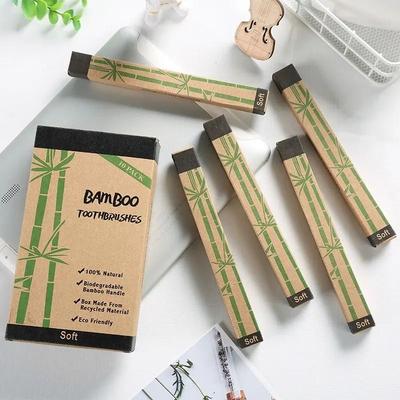
Uplift Essentials Natural Bamboo Eco Friendly Toothbrush 10 Piece Sustainable Family Pack Natural Bamboo Eco Friendly Toothbrush 10 Piece Sustainable Family PackTransition to a greener routine with this Natural Bamboo Toothbrush Set, a premium collection of bamboo products designed to reduce environmental impact without compromising on performance. Each handle is crafted from 100% sustainable bamboo,...37,97 $*Shipping: 0,00 $Secure redirect to the provider
-
Superior Eco-Friendly Sustainable Cotton 12-Piece Bathroom Towel SetMade with incredibly soft recycled cotton, the Eco-Friendly Sustainable Cotton Bathroom Towel Set is the perfect green addition to any bathroom space. Our sustainable Cotton towels are lightweight to get you dry quickly after a shower or bath.78,99 $*Shipping: 0,00 $Secure redirect to the provider
-
Superior Eco-Friendly Sustainable Cotton 12-Piece Bathroom Towel SetMade with incredibly soft recycled cotton, the Eco-Friendly Sustainable Cotton Bathroom Towel Set is the perfect green addition to any bathroom space. Our sustainable Cotton towels are lightweight to get you dry quickly after a shower or bath.63,19 $*Shipping: 0,00 $Secure redirect to the provider
-
What can be done for sustainable resource cultivation?
Sustainable resource cultivation can be achieved through various measures such as implementing responsible land and water management practices, promoting biodiversity conservation, and using eco-friendly farming techniques. Additionally, investing in research and development of innovative technologies can help improve resource efficiency and reduce environmental impact. Furthermore, supporting and incentivizing small-scale and local producers can contribute to sustainable resource cultivation by promoting community resilience and reducing the carbon footprint associated with transportation and distribution. Overall, a holistic approach that considers environmental, social, and economic factors is essential for sustainable resource cultivation. **
-
What do you think, is rose cultivation in Kenya sustainable?
Rose cultivation in Kenya has both positive and negative impacts on the environment and economy. While it provides employment opportunities and contributes to the country's economy, it also requires significant amounts of water and pesticides, which can lead to environmental degradation. To ensure the sustainability of rose cultivation in Kenya, it is important to implement practices that minimize water usage, reduce chemical inputs, and promote biodiversity conservation. Additionally, supporting fair labor practices and ensuring the well-being of workers is crucial for the long-term sustainability of the industry. **
-
What is the difference between permanent field cultivation and shifting cultivation?
Permanent field cultivation involves the continuous cultivation of the same piece of land over a long period of time, using methods such as irrigation and fertilization to maintain soil fertility. This type of cultivation is typically practiced in areas with stable and predictable environmental conditions. On the other hand, shifting cultivation involves the clearing of small plots of land for cultivation, which are then abandoned after a few years to allow the land to regenerate. This method is often used in areas with poor soil quality or where environmental conditions are less predictable. Shifting cultivation is also known as slash-and-burn agriculture, as the cleared land is often burned to prepare it for planting. **
-
What is greenhouse cultivation?
Greenhouse cultivation is a method of growing plants in a controlled environment within a structure made of transparent material, such as glass or plastic. This structure allows sunlight to enter and trap heat, creating a warm and stable climate for the plants. Greenhouse cultivation provides protection from extreme weather conditions, pests, and diseases, and allows for year-round production of crops. It also enables growers to control factors such as temperature, humidity, and light to optimize plant growth and yield. **
Similar search terms for Cultivation
-
Superior Eco-Friendly Sustainable Cotton 12-Piece Bathroom Towel SetMade with incredibly soft recycled cotton, the Eco-Friendly Sustainable Cotton Bathroom Towel Set is the perfect green addition to any bathroom space. Our sustainable Cotton towels are lightweight to get you dry quickly after a shower or bath.61,91 $*Shipping: 0,00 $Secure redirect to the provider
-
Superior Eco-Friendly Sustainable Cotton 12-Piece Bathroom Towel SetMade with incredibly soft recycled cotton, the Eco-Friendly Sustainable Cotton Bathroom Towel Set is the perfect green addition to any bathroom space. Our sustainable Cotton towels are lightweight to get you dry quickly after a shower or bath.64,59 $*Shipping: 0,00 $Secure redirect to the provider
-
Superior Eco-Friendly Sustainable Cotton 12-Piece Bathroom Towel SetMade with incredibly soft recycled cotton, the Eco-Friendly Sustainable Cotton Bathroom Towel Set is the perfect green addition to any bathroom space. Our sustainable Cotton towels are lightweight to get you dry quickly after a shower or bath.80,99 $*Shipping: 0,00 $Secure redirect to the provider
-
Superior Eco-Friendly Sustainable Cotton 12-Piece Bathroom Towel SetMade with incredibly soft recycled cotton, the Eco-Friendly Sustainable Cotton Bathroom Towel Set is the perfect green addition to any bathroom space. Our sustainable Cotton towels are lightweight to get you dry quickly after a shower or bath.59,64 $*Shipping: 0,00 $Secure redirect to the provider
-
What are rice cultivation areas?
Rice cultivation areas are regions where rice is grown as a primary crop. These areas typically have specific climatic and soil conditions that are suitable for rice cultivation. Rice cultivation areas can vary in size from small family farms to large commercial operations, and they play a crucial role in providing food security for many countries around the world. Additionally, these areas often have a long history of rice cultivation and may have developed unique farming practices and traditions related to growing rice. **
-
What is a shifting cultivation?
Shifting cultivation, also known as slash-and-burn agriculture, is a traditional farming method in which a plot of land is cleared and cultivated for a few years, then abandoned and allowed to revert to its natural state while the farmer moves on to a new plot. The cleared land is typically burned to clear away the vegetation and provide nutrients for the soil. This method is often practiced by indigenous communities in tropical regions and is sustainable when done in moderation, allowing the land to regenerate during the fallow period. However, overuse of shifting cultivation can lead to deforestation and soil degradation. **
-
Can you explain shifting cultivation?
Shifting cultivation, also known as slash-and-burn agriculture, is a traditional farming method in which farmers clear a plot of land by cutting and burning the vegetation. The ashes from the burned vegetation provide nutrients to the soil, allowing farmers to grow crops for a few years before moving on to a new plot of land. This method is sustainable when practiced in a way that allows the land to regenerate, but it can lead to deforestation and soil degradation if not managed properly. Shifting cultivation is often practiced by indigenous communities in tropical regions around the world. **
-
What are the advantages and disadvantages of irrigation, drainage, and plant cultivation?
Irrigation allows for consistent and controlled watering of crops, which can increase yields and ensure consistent growth. However, over-irrigation can lead to waterlogging and soil salinization, which can harm plant growth and soil health. Drainage helps to remove excess water from the soil, preventing waterlogging and allowing for better root growth. However, poor drainage can lead to erosion and nutrient loss. Plant cultivation allows for the controlled growth of crops, ensuring food security and economic stability. However, it can also lead to soil degradation and loss of biodiversity if not managed sustainably. **
* All prices are inclusive of VAT and, if applicable, plus shipping costs. The offer information is based on the details provided by the respective shop and is updated through automated processes. Real-time updates do not occur, so deviations can occur in individual cases. ** Note: Parts of this content were created by AI.