Buy future-food.eu ?
We are moving the project
future-food.eu .
Are you interested in purchasing the domain
future-food.eu ?
domain@kv-gmbh.de · 0541-91531010
Buy future-food.eu ?
In which pot should one plant vegetables?
One should plant vegetables in a pot that is large enough to accommodate the root system of the specific vegetable being planted. The pot should have drainage holes to prevent waterlogging and allow excess water to escape. Additionally, using a pot with good quality soil that is rich in nutrients will help support healthy growth of the vegetables. It is also important to consider the amount of sunlight the vegetables will need and choose a pot that can be placed in the appropriate location to receive adequate sunlight. **
How big should the plant pot be?
The size of the plant pot depends on the size of the plant and its root system. Generally, the pot should be large enough to accommodate the plant's roots without being too cramped. It's important to choose a pot that allows for proper drainage and airflow to the roots. If the plant is already in a smaller pot, you can choose a new pot that is 1-2 inches larger in diameter to allow for growth. **
Similar search terms for Pot
Top-Angebote
Products related to Pot:
-
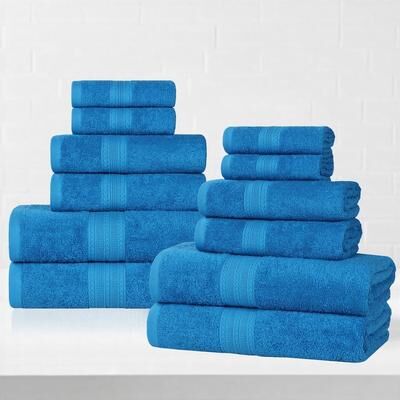
Superior Eco-Friendly Sustainable Cotton 12-Piece Bathroom Towel SetMade with incredibly soft recycled cotton, the Eco-Friendly Sustainable Cotton Bathroom Towel Set is the perfect green addition to any bathroom space. Our sustainable Cotton towels are lightweight to get you dry quickly after a shower or bath.78,99 $*Shipping: 0,00 $Secure redirect to the provider

-
Does 30% sulfuric acid damage the plant pot?
Yes, 30% sulfuric acid can damage a plant pot. Sulfuric acid is a strong acid that can corrode and degrade many materials, including certain types of plastics, ceramics, and metals. If the plant pot is made of a material that is not resistant to sulfuric acid, it can cause the pot to deteriorate, weaken, or even break down over time. It is important to use caution when handling sulfuric acid around plant pots to avoid damage. **
-
How do you plant potatoes in a pot?
To plant potatoes in a pot, start by filling the pot with a mix of potting soil and compost, leaving a few inches of space at the top. Cut the seed potatoes into chunks, making sure each piece has at least one eye or sprout. Plant the potato chunks about 4 inches deep in the soil, spacing them evenly apart. Water the pot regularly, keeping the soil consistently moist but not waterlogged, and place it in a sunny spot. As the potato plants grow, continue to mound soil around the stems to encourage more tuber growth. **
-
Which herbs can I plant in a pot?
You can plant a variety of herbs in a pot, such as basil, parsley, mint, chives, and thyme. These herbs are well-suited for container gardening as they don't require a lot of space and can thrive in a confined environment. Make sure to choose a pot with good drainage and place it in a sunny spot to ensure your herbs receive enough sunlight to grow successfully. **
-
In which pot is the carnivorous plant located?
The carnivorous plant is located in the pot on the right. This pot is distinguishable by its red color and the presence of a label indicating that it contains a carnivorous plant. The other pots do not have these distinguishing features and therefore do not contain the carnivorous plant. **

How does mold develop in a plant pot?
Mold can develop in a plant pot when the soil remains consistently moist, creating a damp environment that is conducive to mold growth. Overwatering, poor drainage, and lack of airflow around the plant can all contribute to the development of mold. Additionally, organic matter such as dead leaves or old potting soil can provide a food source for mold spores to thrive. To prevent mold growth, it's important to water plants appropriately, ensure proper drainage, and regularly clean and aerate the soil in the plant pot. **
How do you plant gladiolus in a pot?
To plant gladiolus in a pot, start by choosing a pot that is at least 12 inches deep and has drainage holes. Fill the pot with well-draining potting soil, leaving enough space at the top for the corms. Plant the gladiolus corms 4-6 inches deep and 6-8 inches apart, with the pointed end facing up. Water the pot thoroughly after planting and place it in a sunny location. Keep the soil consistently moist but not waterlogged, and fertilize the gladiolus every few weeks with a balanced fertilizer. As the gladiolus grows, you may need to stake the stems for support. **
Top-Angebote
Products related to Pot:
-
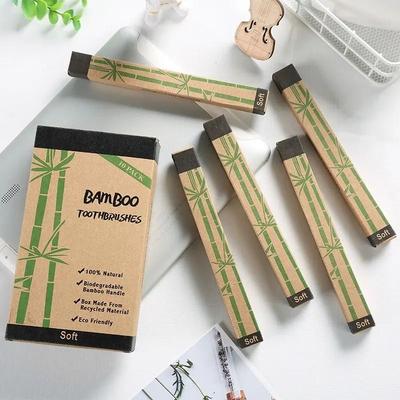
Uplift Essentials Natural Bamboo Eco Friendly Toothbrush 10 Piece Sustainable Family Pack Natural Bamboo Eco Friendly Toothbrush 10 Piece Sustainable Family PackTransition to a greener routine with this Natural Bamboo Toothbrush Set, a premium collection of bamboo products designed to reduce environmental impact without compromising on performance. Each handle is crafted from 100% sustainable bamboo,...37,97 $*Shipping: 0,00 $Secure redirect to the provider
-
In which pot should one plant vegetables?
One should plant vegetables in a pot that is large enough to accommodate the root system of the specific vegetable being planted. The pot should have drainage holes to prevent waterlogging and allow excess water to escape. Additionally, using a pot with good quality soil that is rich in nutrients will help support healthy growth of the vegetables. It is also important to consider the amount of sunlight the vegetables will need and choose a pot that can be placed in the appropriate location to receive adequate sunlight. **
-
How big should the plant pot be?
The size of the plant pot depends on the size of the plant and its root system. Generally, the pot should be large enough to accommodate the plant's roots without being too cramped. It's important to choose a pot that allows for proper drainage and airflow to the roots. If the plant is already in a smaller pot, you can choose a new pot that is 1-2 inches larger in diameter to allow for growth. **
-
Does 30% sulfuric acid damage the plant pot?
Yes, 30% sulfuric acid can damage a plant pot. Sulfuric acid is a strong acid that can corrode and degrade many materials, including certain types of plastics, ceramics, and metals. If the plant pot is made of a material that is not resistant to sulfuric acid, it can cause the pot to deteriorate, weaken, or even break down over time. It is important to use caution when handling sulfuric acid around plant pots to avoid damage. **
-
How do you plant potatoes in a pot?
To plant potatoes in a pot, start by filling the pot with a mix of potting soil and compost, leaving a few inches of space at the top. Cut the seed potatoes into chunks, making sure each piece has at least one eye or sprout. Plant the potato chunks about 4 inches deep in the soil, spacing them evenly apart. Water the pot regularly, keeping the soil consistently moist but not waterlogged, and place it in a sunny spot. As the potato plants grow, continue to mound soil around the stems to encourage more tuber growth. **
Similar search terms for Pot
-
Superior Eco-Friendly Sustainable Cotton 12-Piece Bathroom Towel SetMade with incredibly soft recycled cotton, the Eco-Friendly Sustainable Cotton Bathroom Towel Set is the perfect green addition to any bathroom space. Our sustainable Cotton towels are lightweight to get you dry quickly after a shower or bath.78,99 $*Shipping: 0,00 $Secure redirect to the provider
-
Which herbs can I plant in a pot?
You can plant a variety of herbs in a pot, such as basil, parsley, mint, chives, and thyme. These herbs are well-suited for container gardening as they don't require a lot of space and can thrive in a confined environment. Make sure to choose a pot with good drainage and place it in a sunny spot to ensure your herbs receive enough sunlight to grow successfully. **
-
In which pot is the carnivorous plant located?
The carnivorous plant is located in the pot on the right. This pot is distinguishable by its red color and the presence of a label indicating that it contains a carnivorous plant. The other pots do not have these distinguishing features and therefore do not contain the carnivorous plant. **
-
How does mold develop in a plant pot?
Mold can develop in a plant pot when the soil remains consistently moist, creating a damp environment that is conducive to mold growth. Overwatering, poor drainage, and lack of airflow around the plant can all contribute to the development of mold. Additionally, organic matter such as dead leaves or old potting soil can provide a food source for mold spores to thrive. To prevent mold growth, it's important to water plants appropriately, ensure proper drainage, and regularly clean and aerate the soil in the plant pot. **
-
How do you plant gladiolus in a pot?
To plant gladiolus in a pot, start by choosing a pot that is at least 12 inches deep and has drainage holes. Fill the pot with well-draining potting soil, leaving enough space at the top for the corms. Plant the gladiolus corms 4-6 inches deep and 6-8 inches apart, with the pointed end facing up. Water the pot thoroughly after planting and place it in a sunny location. Keep the soil consistently moist but not waterlogged, and fertilize the gladiolus every few weeks with a balanced fertilizer. As the gladiolus grows, you may need to stake the stems for support. **
* All prices are inclusive of VAT and, if applicable, plus shipping costs. The offer information is based on the details provided by the respective shop and is updated through automated processes. Real-time updates do not occur, so deviations can occur in individual cases. ** Note: Parts of this content were created by AI.