Buy future-food.eu ?
We are moving the project
future-food.eu .
Are you interested in purchasing the domain
future-food.eu ?
domain@kv-gmbh.de · 0541-91531010
Buy future-food.eu ?
Why is it so difficult for people who want to leave ultra-orthodox Judaism?
Leaving ultra-orthodox Judaism can be incredibly difficult for several reasons. Firstly, individuals who want to leave may face intense social pressure and ostracism from their community, including family and friends. Secondly, they may lack the necessary education and skills to thrive in the secular world, having been raised in a closed, insular environment. Additionally, leaving ultra-orthodox Judaism often means losing one's entire support system and having to navigate a new and unfamiliar way of life. These challenges can make it extremely daunting for individuals to leave the ultra-orthodox community, despite their desire to do so. **
Why do people dislike being called instinct-driven?
People may dislike being called instinct-driven because it can be seen as diminishing their ability to think critically and make conscious decisions. Being labeled as instinct-driven may also imply a lack of control or agency over one's actions, which can be frustrating for individuals who value autonomy and self-determination. Additionally, the term instinct-driven can carry a negative connotation, suggesting that one's behavior is driven solely by primal urges rather than rational thought or moral considerations. **

Similar search terms for Penguin-Ultra-Processed-People-Why
Top-Angebote
Products related to Penguin-Ultra-Processed-People-Why:
-
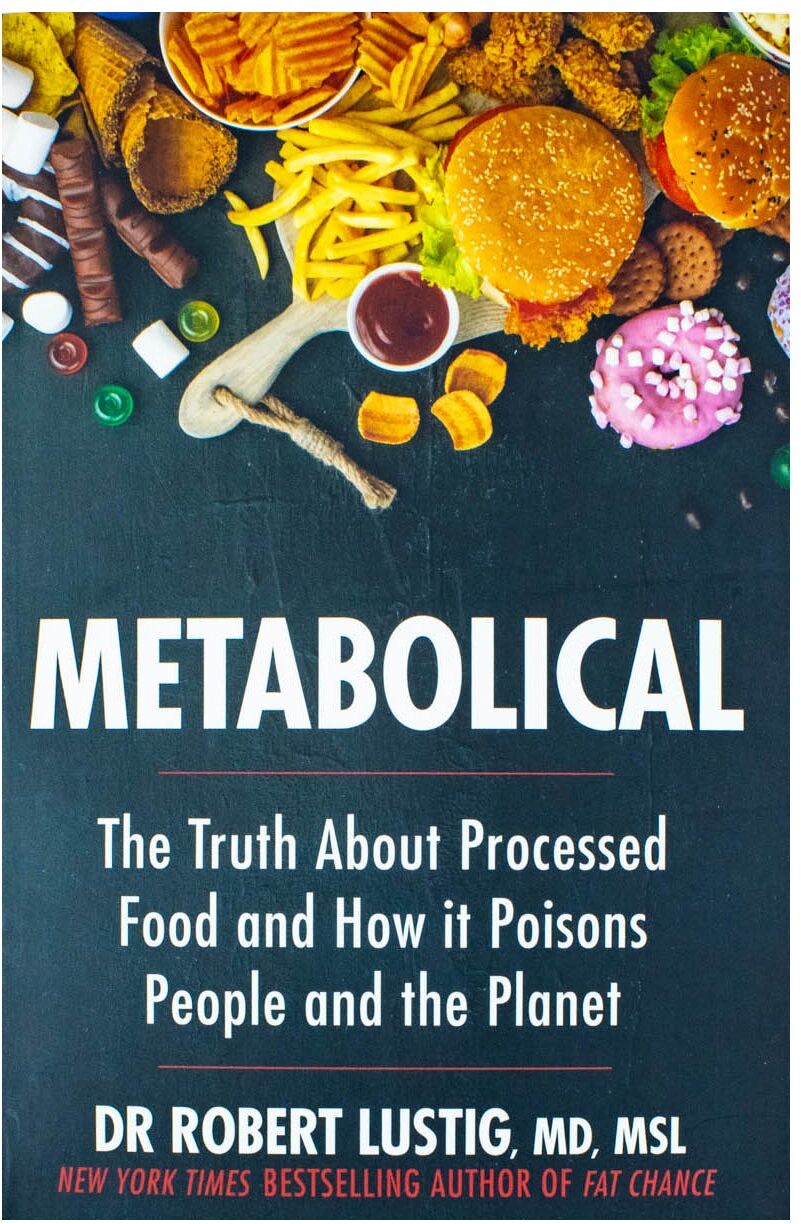
Yellow Kite Metabolical: The truth about processed food and how it poisons people and the planet by Dr Robert LustigDid you know that 62% of the food in our supermarkets is not only processed but 'ultra-processed' (ingredients from other foods are combined to make something 'new', often in colours that do not exist in nature) and that data shows that by eating this kind of food over time we are literally slowly poisoning ourselves?In the hard-hitting, ground-breaking tradition of his NY Times bestseller FAT CHANCE, which revealed the dangers of sugar, Dr Robert Lustig persuasively presents a stark exposé of how our addiction to processed foods (aided and abetted by the food industry, big ag, big pharma, institutional medicine and the government) is behind the lethal increase in major non-communicable diseases, including diabetes, heart disease, fatty liver disease, cancer and dementia. We have come to accept that these chronic diseases are simply part of the 'natural ageing process', but Dr Lustig makes the case that this is simply not true.The solution on both a personal and societal level is a return to unprocessed food and Dr Lustig offers a doable plan for us to heal and restore our own health and wellbeing with real food, and in the process boosting our immunity to viruses like Covid-19.4,99 £*Shipping: 1,99 £Secure redirect to the provider
-
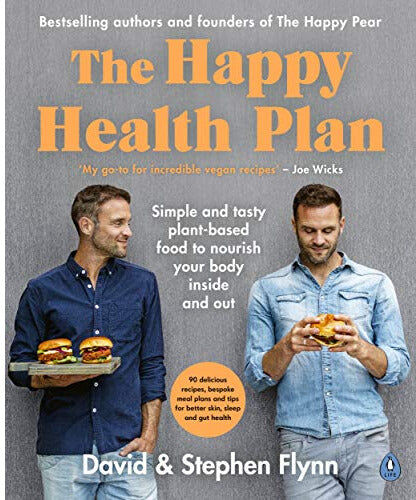
Penguin The Happy Health Plan: Simple and tasty plant-based food to nourish your body inside and outFrom the Sunday Times bestselling authors, The Happy Pear'My go-to for incredible vegan recipes' Joe Wicks'Awesome plans that show how plant-based food can transform your health' BOSH! _____________________________________________________________________________________Want to improve your health, lose weight or gain more energy? A plant-based diet might be the answer you're looking for. The Happy Health Plan brings you 90 brand new, mouth-watering recipes and four bespoke meals straight from the Happy Pear kitchen. The recipes have been specially designed with medical experts to look after your heart, give you glowing skin, calm your gut and help you lose weight, without counting a single calorie. Cooking with more plants means that every meal is full of fibre, high in vitamins and low in saturated fat, which means they boost your energy, reduce cholesterol and keep you fuller for longer. Including lots of classic dishes, from a creamy carbonara to a katsu curry, a fluffy pancake stack and even a berry crumble, this book will help you to look after your whole body health, inside and out, with tastier food than ever before.14,99 £*Shipping: 2,99 £Secure redirect to the provider
-
Why are Japanese people so polite and friendly?
Japanese people are known for their politeness and friendliness due to cultural values that prioritize harmony, respect, and consideration for others. From a young age, Japanese children are taught to be respectful and considerate of others, and this mindset is reinforced throughout their lives. Additionally, the concept of "omotenashi," or selfless hospitality, is deeply ingrained in Japanese culture, leading to a strong emphasis on making others feel comfortable and valued. Overall, these cultural values and traditions contribute to the polite and friendly nature of Japanese people. **
-
Why do people step on food?
People may step on food accidentally due to not seeing it on the ground or not paying attention to where they are walking. In some cases, people may intentionally step on food as a form of aggression or disrespect. Additionally, in crowded or messy environments, it is possible for food to be on the ground and inadvertently stepped on. **
-
Why are people who are always friendly treated poorly?
People who are always friendly may be treated poorly because some individuals may perceive their kindness as a sign of weakness and take advantage of them. Additionally, their consistent friendliness may be seen as insincere or fake by others, leading to mistrust or resentment. In some cases, people who are always friendly may prioritize others' needs over their own, making them vulnerable to being taken advantage of or overlooked. **
-
Why do friendly and nice people have fewer friends?
Friendly and nice people may have fewer friends because they tend to prioritize quality over quantity in their relationships. They may invest more time and effort into building deep, meaningful connections with a select few individuals rather than spreading themselves thin across a large social circle. Additionally, their genuine kindness and openness may attract people who value their friendship for the right reasons, leading to more authentic and fulfilling relationships. Lastly, some friendly individuals may be more introverted or selective in their social interactions, preferring smaller, more intimate gatherings over large social events. **
Why are LGBTQ people usually so nice and friendly?
LGBTQ people are not inherently "nicer" or "friendlier" than anyone else. However, many LGBTQ individuals may exhibit kindness and friendliness as a result of their experiences with discrimination and prejudice. Being part of a marginalized community can foster empathy and understanding, leading to a greater appreciation for kindness and inclusivity. Additionally, many LGBTQ people have had to navigate challenging personal journeys, which can lead to a greater sense of compassion and openness towards others. It's important to recognize that kindness and friendliness are qualities that can be found in people of all backgrounds and identities. **
Why are people who are always friendly treated badly?
People who are always friendly may be treated badly because some individuals may perceive their kindness as a sign of weakness or vulnerability, leading them to take advantage of the friendly person. Additionally, some people may feel threatened by someone who is consistently kind and may try to bring them down to feel better about themselves. Lastly, there may be a lack of boundaries set by the friendly individual, making it easier for others to mistreat them without consequence. **
Top-Angebote
Products related to Penguin-Ultra-Processed-People-Why:
-
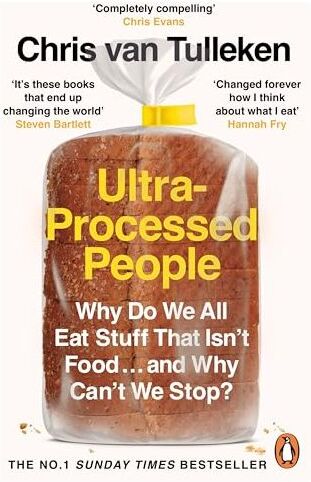
Penguin Ultra-Processed People: Why Do We All Eat Stuff That Isnt Food … and Why Cant We Stop?NOW WITH TWO BONUS CHAPTERS INCLUDING AN FAQTHE NUMBER ONE SUNDAY TIMES BESTSELLERFORTNUM & MASON'S DEBUT FOOD BOOK OF THE YEAR 2024A TIMES AND SUNDAY TIMES SCIENCE BOOK OF THE YEAR 2023AN ECONOMIST, DAILY MAIL, GOOD HOUSEKEEPING and AMAZON BEST BOOK OF THE YEAR 2023SHORTLISTED FOR WATERSTONE'S BOOK OF THE YEAR 2023Chosen by the SUNDAY TIMES, GUARDIAN, FT and DAILY MAIL as one of their BEST SUMMER BOOKS OF 2023'If you only read one diet or nutrition book in your life, make it this one' Bee Wilson'A devastating, witty and scholarly destruction of the shit food we eat and why' Adam Rutherford---An eye-opening investigation into the science, economics, history and production of ultra-processed food. It's not you, it's the food. We have entered a new 'age of eating' where most of our calories come from an entirely novel set of substances called Ultra-Processed Food, food which is industrially processed and designed and marketed to be addictive. But do we really know what it's doing to our bodies?Join Chris in his travels through the world of food science and a UPF diet to discover what's really going on. Find out why exercise and willpower can't save us, and what UPF is really doing to our bodies, our health, our weight, and the planet (hint: nothing good). For too long we've been told we just need to make different choices, when really we're living in a food environment that makes it nigh-on impossible. So this is a book about our rights. The right to know what we eat and what it does to our bodies and the right to good, affordable food. Number 1 Sunday Times bestseller, August 202310,95 £*Shipping: 2,99 £Secure redirect to the provider
-
Cornerstone/Vintage Ultra-Processed People & Food for Life 2 Books Collection Set by Tim Spector, Chris van TullekenUltra-Processed People & Food for Life 2 Books Collection Set By Tim Spector, Chris van Tulleken Ultra-Processed People It's not you, it's the food. We have entered a new 'age of eating' where most of our calories come from an entirely novel set of substances called Ultra-Processed Food, food which is industrially processed and designed and marketed to be addictive. But do we really know what it's doing to our bodies? Food for Life Tim Spector has pioneered a new approach to nutrition, encouraging us to forget misleading calorie counts and nutritional breakdowns. In Food for Life he draws on over a decade of cutting-edge scientific research, along with his own personal insights, to deliver a new and comprehensive approach to what we should all know about food today.16,99 £*Shipping: 2,99 £Secure redirect to the provider
-
Yellow Kite Metabolical: The truth about processed food and how it poisons people and the planet by Dr Robert LustigDid you know that 62% of the food in our supermarkets is not only processed but 'ultra-processed' (ingredients from other foods are combined to make something 'new', often in colours that do not exist in nature) and that data shows that by eating this kind of food over time we are literally slowly poisoning ourselves?In the hard-hitting, ground-breaking tradition of his NY Times bestseller FAT CHANCE, which revealed the dangers of sugar, Dr Robert Lustig persuasively presents a stark exposé of how our addiction to processed foods (aided and abetted by the food industry, big ag, big pharma, institutional medicine and the government) is behind the lethal increase in major non-communicable diseases, including diabetes, heart disease, fatty liver disease, cancer and dementia. We have come to accept that these chronic diseases are simply part of the 'natural ageing process', but Dr Lustig makes the case that this is simply not true.The solution on both a personal and societal level is a return to unprocessed food and Dr Lustig offers a doable plan for us to heal and restore our own health and wellbeing with real food, and in the process boosting our immunity to viruses like Covid-19.4,99 £*Shipping: 1,99 £Secure redirect to the provider
-
Penguin The Happy Health Plan: Simple and tasty plant-based food to nourish your body inside and outFrom the Sunday Times bestselling authors, The Happy Pear'My go-to for incredible vegan recipes' Joe Wicks'Awesome plans that show how plant-based food can transform your health' BOSH! _____________________________________________________________________________________Want to improve your health, lose weight or gain more energy? A plant-based diet might be the answer you're looking for. The Happy Health Plan brings you 90 brand new, mouth-watering recipes and four bespoke meals straight from the Happy Pear kitchen. The recipes have been specially designed with medical experts to look after your heart, give you glowing skin, calm your gut and help you lose weight, without counting a single calorie. Cooking with more plants means that every meal is full of fibre, high in vitamins and low in saturated fat, which means they boost your energy, reduce cholesterol and keep you fuller for longer. Including lots of classic dishes, from a creamy carbonara to a katsu curry, a fluffy pancake stack and even a berry crumble, this book will help you to look after your whole body health, inside and out, with tastier food than ever before.14,99 £*Shipping: 2,99 £Secure redirect to the provider
-
Why is it so difficult for people who want to leave ultra-orthodox Judaism?
Leaving ultra-orthodox Judaism can be incredibly difficult for several reasons. Firstly, individuals who want to leave may face intense social pressure and ostracism from their community, including family and friends. Secondly, they may lack the necessary education and skills to thrive in the secular world, having been raised in a closed, insular environment. Additionally, leaving ultra-orthodox Judaism often means losing one's entire support system and having to navigate a new and unfamiliar way of life. These challenges can make it extremely daunting for individuals to leave the ultra-orthodox community, despite their desire to do so. **
-
Why do people dislike being called instinct-driven?
People may dislike being called instinct-driven because it can be seen as diminishing their ability to think critically and make conscious decisions. Being labeled as instinct-driven may also imply a lack of control or agency over one's actions, which can be frustrating for individuals who value autonomy and self-determination. Additionally, the term instinct-driven can carry a negative connotation, suggesting that one's behavior is driven solely by primal urges rather than rational thought or moral considerations. **
-
Why are Japanese people so polite and friendly?
Japanese people are known for their politeness and friendliness due to cultural values that prioritize harmony, respect, and consideration for others. From a young age, Japanese children are taught to be respectful and considerate of others, and this mindset is reinforced throughout their lives. Additionally, the concept of "omotenashi," or selfless hospitality, is deeply ingrained in Japanese culture, leading to a strong emphasis on making others feel comfortable and valued. Overall, these cultural values and traditions contribute to the polite and friendly nature of Japanese people. **
-
Why do people step on food?
People may step on food accidentally due to not seeing it on the ground or not paying attention to where they are walking. In some cases, people may intentionally step on food as a form of aggression or disrespect. Additionally, in crowded or messy environments, it is possible for food to be on the ground and inadvertently stepped on. **
Similar search terms for Penguin-Ultra-Processed-People-Why
-
Why are people who are always friendly treated poorly?
People who are always friendly may be treated poorly because some individuals may perceive their kindness as a sign of weakness and take advantage of them. Additionally, their consistent friendliness may be seen as insincere or fake by others, leading to mistrust or resentment. In some cases, people who are always friendly may prioritize others' needs over their own, making them vulnerable to being taken advantage of or overlooked. **
-
Why do friendly and nice people have fewer friends?
Friendly and nice people may have fewer friends because they tend to prioritize quality over quantity in their relationships. They may invest more time and effort into building deep, meaningful connections with a select few individuals rather than spreading themselves thin across a large social circle. Additionally, their genuine kindness and openness may attract people who value their friendship for the right reasons, leading to more authentic and fulfilling relationships. Lastly, some friendly individuals may be more introverted or selective in their social interactions, preferring smaller, more intimate gatherings over large social events. **
-
Why are LGBTQ people usually so nice and friendly?
LGBTQ people are not inherently "nicer" or "friendlier" than anyone else. However, many LGBTQ individuals may exhibit kindness and friendliness as a result of their experiences with discrimination and prejudice. Being part of a marginalized community can foster empathy and understanding, leading to a greater appreciation for kindness and inclusivity. Additionally, many LGBTQ people have had to navigate challenging personal journeys, which can lead to a greater sense of compassion and openness towards others. It's important to recognize that kindness and friendliness are qualities that can be found in people of all backgrounds and identities. **
-
Why are people who are always friendly treated badly?
People who are always friendly may be treated badly because some individuals may perceive their kindness as a sign of weakness or vulnerability, leading them to take advantage of the friendly person. Additionally, some people may feel threatened by someone who is consistently kind and may try to bring them down to feel better about themselves. Lastly, there may be a lack of boundaries set by the friendly individual, making it easier for others to mistreat them without consequence. **
* All prices are inclusive of VAT and, if applicable, plus shipping costs. The offer information is based on the details provided by the respective shop and is updated through automated processes. Real-time updates do not occur, so deviations can occur in individual cases. ** Note: Parts of this content were created by AI.