Buy future-food.eu ?
We are moving the project
future-food.eu .
Are you interested in purchasing the domain
future-food.eu ?
domain@kv-gmbh.de · 0541-91531010
Buy future-food.eu ?
Is the pothos plant poisonous?
Yes, the pothos plant is considered to be toxic to pets and humans if ingested. It contains calcium oxalate crystals, which can cause irritation and swelling of the mouth, tongue, and throat, leading to difficulty swallowing and breathing. It is important to keep pothos plants out of reach of children and pets to prevent accidental ingestion. If ingested, it is recommended to seek medical attention immediately. **
Artificial or natural Christmas tree?
The choice between an artificial or natural Christmas tree ultimately depends on personal preference and lifestyle. Artificial trees are convenient, reusable, and often more cost-effective in the long run. On the other hand, natural trees provide a traditional, authentic holiday experience and the fresh pine scent. Consider factors such as environmental impact, maintenance, and storage space when making your decision. Ultimately, both options can bring joy and festive spirit to your home during the holiday season. **


Similar search terms for Nearly-Natural-Pothos-Artificial
Top-Angebote
Products related to Nearly-Natural-Pothos-Artificial:
-
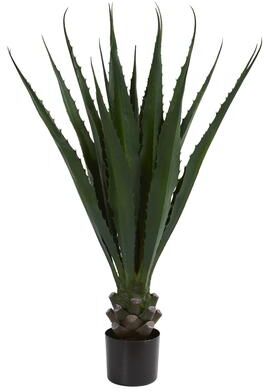
Nearly Natural Agave Artificial Plant"The artificial 45"" agave plant gives off a mysterious vibe. It looks unique and is distinctive against the backdrop of a bright room. The height makes it a perfect piece to set on your sofa table or living room floor."107,15 $*Shipping: 0,00 $Secure redirect to the provider


-
Are pigments natural or artificial?
Pigments can be both natural and artificial. Natural pigments are derived from sources found in nature, such as plants, minerals, and animals. These pigments are often used in traditional art and cultural practices. On the other hand, artificial pigments are synthesized through chemical processes and are commonly used in modern industrial applications, such as inks, dyes, and paints. Both natural and artificial pigments have their own unique properties and applications. **
-
Why is my pothos plant dying?
Your pothos plant may be dying due to a few reasons. It could be getting too much or too little water, so make sure to adjust your watering schedule accordingly. Additionally, it may not be getting enough sunlight or it could be experiencing temperature fluctuations. Check the soil to make sure it's not too compacted or waterlogged, and consider repotting the plant if necessary. Finally, check for any signs of pests or diseases that could be affecting the health of your pothos plant. **
-
Does the pothos plant turn yellow?
Yes, the pothos plant can turn yellow for a variety of reasons. Overwatering, underwatering, low light, or nutrient deficiencies can all cause the leaves of the pothos plant to turn yellow. It's important to monitor the plant's watering schedule and ensure it is receiving adequate light and nutrients to prevent yellowing. If the plant does turn yellow, adjusting its care routine and addressing any issues should help it recover. **
-
Does anyone know a lot about pothos plants? My pothos plant is dying.
Pothos plants are relatively easy to care for, but there are a few common reasons why they might be dying. It could be due to overwatering, underwatering, or lack of proper light. Check the soil to see if it's too wet or too dry, and make sure the plant is getting enough indirect sunlight. You can also try repotting the plant in fresh soil to see if that helps revive it. If the problem persists, it might be helpful to consult with a local plant expert or nursery for more specific advice. **


How do you prune a pothos plant?
To prune a pothos plant, start by identifying the parts of the plant that you want to trim. Use clean, sharp scissors or pruning shears to make clean cuts just above a leaf node or stem joint. This will encourage new growth and help the plant maintain a bushy shape. Make sure to remove any dead or yellowing leaves to promote overall plant health. **
How fast does a pothos plant grow?
Pothos plants are known for their fast growth, and under the right conditions, they can grow several feet in a single growing season. With proper care, including regular watering, adequate light, and occasional fertilization, a pothos plant can produce new leaves and vines quite rapidly. In ideal conditions, it is not uncommon for a pothos plant to grow several inches in a matter of weeks. However, the growth rate can vary depending on factors such as light, temperature, and overall plant health. **
Top-Angebote
Products related to Nearly-Natural-Pothos-Artificial:
-
Nearly Natural "14"" Pothos Artificial Plant in Ceramic Planter"Explosive greenery pours forth from this artificial plant boasting a natural overgrowth of realistic looking pothos foliage, designed from the finest materials in a palette of bright, rich evergreens.45,99 $*Shipping: 0,00 $Secure redirect to the provider
-
Nearly Natural Pothos Artificial Plant in White Tower VaseLike the natural sheen that comes from a spray of water, this 2' pothos artificial plant contains leaves with a rich realistic luster. Paired with a white tower vase, this will transform and refresh your home or office.72,02 $*Shipping: 0,00 $Secure redirect to the provider
-
Nearly Natural Agave Artificial Plant"The artificial 45"" agave plant gives off a mysterious vibe. It looks unique and is distinctive against the backdrop of a bright room. The height makes it a perfect piece to set on your sofa table or living room floor."107,15 $*Shipping: 0,00 $Secure redirect to the provider
-
Is the pothos plant poisonous?
Yes, the pothos plant is considered to be toxic to pets and humans if ingested. It contains calcium oxalate crystals, which can cause irritation and swelling of the mouth, tongue, and throat, leading to difficulty swallowing and breathing. It is important to keep pothos plants out of reach of children and pets to prevent accidental ingestion. If ingested, it is recommended to seek medical attention immediately. **
-
Artificial or natural Christmas tree?
The choice between an artificial or natural Christmas tree ultimately depends on personal preference and lifestyle. Artificial trees are convenient, reusable, and often more cost-effective in the long run. On the other hand, natural trees provide a traditional, authentic holiday experience and the fresh pine scent. Consider factors such as environmental impact, maintenance, and storage space when making your decision. Ultimately, both options can bring joy and festive spirit to your home during the holiday season. **
-
Are pigments natural or artificial?
Pigments can be both natural and artificial. Natural pigments are derived from sources found in nature, such as plants, minerals, and animals. These pigments are often used in traditional art and cultural practices. On the other hand, artificial pigments are synthesized through chemical processes and are commonly used in modern industrial applications, such as inks, dyes, and paints. Both natural and artificial pigments have their own unique properties and applications. **
-
Why is my pothos plant dying?
Your pothos plant may be dying due to a few reasons. It could be getting too much or too little water, so make sure to adjust your watering schedule accordingly. Additionally, it may not be getting enough sunlight or it could be experiencing temperature fluctuations. Check the soil to make sure it's not too compacted or waterlogged, and consider repotting the plant if necessary. Finally, check for any signs of pests or diseases that could be affecting the health of your pothos plant. **
Similar search terms for Nearly-Natural-Pothos-Artificial
-
Nearly Natural 4' Sansevieria Artificial PlantBrighten up your home or office with this sansevieria artificial plant potted in a moss-topped black vase. Boasting stunning yellow-lined, variegated leaves that point upward, this faux plant remains beautiful year round.177,49 $*Shipping: 0,00 $Secure redirect to the provider
-
Does the pothos plant turn yellow?
Yes, the pothos plant can turn yellow for a variety of reasons. Overwatering, underwatering, low light, or nutrient deficiencies can all cause the leaves of the pothos plant to turn yellow. It's important to monitor the plant's watering schedule and ensure it is receiving adequate light and nutrients to prevent yellowing. If the plant does turn yellow, adjusting its care routine and addressing any issues should help it recover. **
-
Does anyone know a lot about pothos plants? My pothos plant is dying.
Pothos plants are relatively easy to care for, but there are a few common reasons why they might be dying. It could be due to overwatering, underwatering, or lack of proper light. Check the soil to see if it's too wet or too dry, and make sure the plant is getting enough indirect sunlight. You can also try repotting the plant in fresh soil to see if that helps revive it. If the problem persists, it might be helpful to consult with a local plant expert or nursery for more specific advice. **
-
How do you prune a pothos plant?
To prune a pothos plant, start by identifying the parts of the plant that you want to trim. Use clean, sharp scissors or pruning shears to make clean cuts just above a leaf node or stem joint. This will encourage new growth and help the plant maintain a bushy shape. Make sure to remove any dead or yellowing leaves to promote overall plant health. **
-
How fast does a pothos plant grow?
Pothos plants are known for their fast growth, and under the right conditions, they can grow several feet in a single growing season. With proper care, including regular watering, adequate light, and occasional fertilization, a pothos plant can produce new leaves and vines quite rapidly. In ideal conditions, it is not uncommon for a pothos plant to grow several inches in a matter of weeks. However, the growth rate can vary depending on factors such as light, temperature, and overall plant health. **
* All prices are inclusive of VAT and, if applicable, plus shipping costs. The offer information is based on the details provided by the respective shop and is updated through automated processes. Real-time updates do not occur, so deviations can occur in individual cases. ** Note: Parts of this content were created by AI.