Buy future-food.eu ?
We are moving the project
future-food.eu .
Are you interested in purchasing the domain
future-food.eu ?
domain@kv-gmbh.de · 0541-91531010
Buy future-food.eu ?
Will my Sansevieria survive?
Sansevierias, also known as snake plants, are known for their hardiness and ability to survive in various conditions. They are low-maintenance plants that can tolerate low light, infrequent watering, and neglect. As long as your Sansevieria is not overwatered and receives some indirect light, it is likely to survive and thrive. Just make sure to avoid placing it in extremely low light conditions or overwatering, as these can lead to issues such as root rot. **
How do you properly care for a Sansevieria plant?
To properly care for a Sansevieria plant, it is important to place it in a location with bright, indirect sunlight. Water the plant sparingly, allowing the soil to dry out between waterings to prevent root rot. Sansevierias prefer well-draining soil, so make sure the pot has drainage holes. Additionally, wipe the leaves with a damp cloth occasionally to remove dust and keep them looking healthy. **

Similar search terms for Nearly-Natural-26-Sansevieria
Top-Angebote
Products related to Nearly-Natural-26-Sansevieria:
-
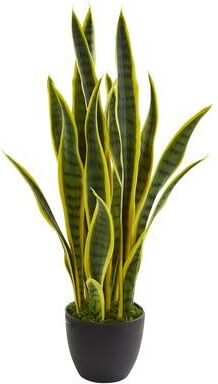
Nearly Natural 4' Sansevieria Artificial PlantBrighten up your home or office with this sansevieria artificial plant potted in a moss-topped black vase. Boasting stunning yellow-lined, variegated leaves that point upward, this faux plant remains beautiful year round.177,49 $*Shipping: 0,00 $Secure redirect to the provider
-
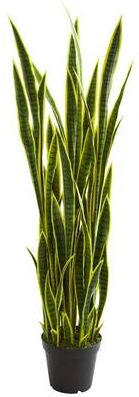
Nearly Natural 5' Sansevieria Artificial PlantInclude this lifelike Sansevieria plant in your home or office to create a nature-inspired theme. This artificial plant comes with a black pot that keeps it stable and provides a nice contrast with the green leaves.206,63 $*Shipping: 0,00 $Secure redirect to the provider
-
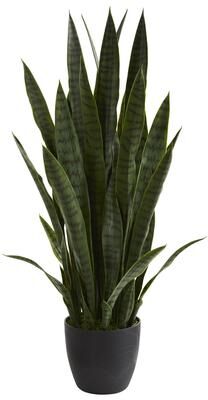
Nearly Natural "38"" Sansevieria Artificial Plant - Green"The sansevieria artificial plant, sometimes referred to as tongue, is a fun gathering of straight-edged leaves that appear to be growing right out of the dirt. With dark green stripes accenting each leaf, this is a unique and eye-catching piece.118,85 $*Shipping: 0,00 $Secure redirect to the provider


-
What can I do if my snake plant (Sansevieria) looks sick?
If your snake plant looks sick, there are a few things you can do to help it recover. First, check the soil to make sure it's not too wet or too dry, as improper watering can lead to issues like root rot or dehydration. If the soil is too wet, allow it to dry out before watering again, and if it's too dry, water the plant thoroughly. Additionally, make sure the plant is receiving the right amount of light - snake plants prefer bright, indirect light. If the leaves are discolored or drooping, it may be a sign of too much or too little light. Finally, consider repotting the plant if it's become rootbound, and remove any dead or yellowing leaves to encourage new growth. **
-
What are natural plant-based calming remedies?
Natural plant-based calming remedies include herbs like chamomile, lavender, and passionflower, which are known for their calming properties. These herbs can be consumed as teas, taken in supplement form, or used in aromatherapy to promote relaxation and reduce stress. Other plant-based remedies like valerian root and lemon balm are also commonly used to help calm the mind and body. **
-
What is a natural plant-based flea remedy?
A natural plant-based flea remedy is a treatment for fleas that is made from ingredients derived from plants. This can include essential oils such as lavender, peppermint, or eucalyptus, which are known for their flea-repelling properties. These remedies are often used as an alternative to chemical-based flea treatments, and can be applied to a pet's fur or used in the home to repel and kill fleas. It's important to note that while natural remedies can be effective, it's always best to consult with a veterinarian before using any new flea treatment on your pet. **
-
What do the white spots on the roots of the Sansevieria snake plant mean?
The white spots on the roots of a Sansevieria snake plant could indicate a few different things. One possibility is that the plant has been overwatered, leading to root rot and the development of white mold or fungus. Another possibility is that the plant has been exposed to cold temperatures, causing damage to the roots. It's important to carefully inspect the roots and soil to determine the cause of the white spots and take appropriate action to address the issue. **

What is the condition of the leaves of Sansevieria?
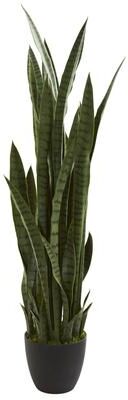
The leaves of Sansevieria are typically long, stiff, and sword-shaped, with a pointed tip. They are usually a vibrant green color, with some varieties having variegated patterns of yellow or white. The leaves are also smooth and have a waxy texture, giving them a glossy appearance. Overall, the leaves of Sansevieria are healthy and resilient, making them a popular choice for indoor plants. **
How can I combat fungus gnats in nearly every plant?
To combat fungus gnats in nearly every plant, you can try several methods. One effective way is to let the soil dry out between waterings, as fungus gnats thrive in moist environments. You can also use yellow sticky traps to catch adult gnats and reduce their population. Another option is to apply a layer of sand or gravel on top of the soil to prevent adult gnats from laying eggs. Additionally, using a hydrogen peroxide solution to water your plants can help kill larvae in the soil. **
Top-Angebote
Products related to Nearly-Natural-26-Sansevieria:
-
Nearly Natural "26"" Sansevieria Artificial Plant - Green"Bring a unique and bright look to your home with this artificial sansevieria plant. The flat green leaves are striped and have a ring of yellow lining the outside, making this a great statement piece.67,04 $*Shipping: 0,00 $Secure redirect to the provider
-
Nearly Natural 4' Sansevieria Artificial PlantBrighten up your home or office with this sansevieria artificial plant potted in a moss-topped black vase. Boasting stunning yellow-lined, variegated leaves that point upward, this faux plant remains beautiful year round.177,49 $*Shipping: 0,00 $Secure redirect to the provider
-
Nearly Natural 5' Sansevieria Artificial PlantInclude this lifelike Sansevieria plant in your home or office to create a nature-inspired theme. This artificial plant comes with a black pot that keeps it stable and provides a nice contrast with the green leaves.206,63 $*Shipping: 0,00 $Secure redirect to the provider
-
Will my Sansevieria survive?
Sansevierias, also known as snake plants, are known for their hardiness and ability to survive in various conditions. They are low-maintenance plants that can tolerate low light, infrequent watering, and neglect. As long as your Sansevieria is not overwatered and receives some indirect light, it is likely to survive and thrive. Just make sure to avoid placing it in extremely low light conditions or overwatering, as these can lead to issues such as root rot. **
-
How do you properly care for a Sansevieria plant?
To properly care for a Sansevieria plant, it is important to place it in a location with bright, indirect sunlight. Water the plant sparingly, allowing the soil to dry out between waterings to prevent root rot. Sansevierias prefer well-draining soil, so make sure the pot has drainage holes. Additionally, wipe the leaves with a damp cloth occasionally to remove dust and keep them looking healthy. **
-
What can I do if my snake plant (Sansevieria) looks sick?
If your snake plant looks sick, there are a few things you can do to help it recover. First, check the soil to make sure it's not too wet or too dry, as improper watering can lead to issues like root rot or dehydration. If the soil is too wet, allow it to dry out before watering again, and if it's too dry, water the plant thoroughly. Additionally, make sure the plant is receiving the right amount of light - snake plants prefer bright, indirect light. If the leaves are discolored or drooping, it may be a sign of too much or too little light. Finally, consider repotting the plant if it's become rootbound, and remove any dead or yellowing leaves to encourage new growth. **
-
What are natural plant-based calming remedies?
Natural plant-based calming remedies include herbs like chamomile, lavender, and passionflower, which are known for their calming properties. These herbs can be consumed as teas, taken in supplement form, or used in aromatherapy to promote relaxation and reduce stress. Other plant-based remedies like valerian root and lemon balm are also commonly used to help calm the mind and body. **
Similar search terms for Nearly-Natural-26-Sansevieria
-
Nearly Natural "38"" Sansevieria Artificial Plant - Green"The sansevieria artificial plant, sometimes referred to as tongue, is a fun gathering of straight-edged leaves that appear to be growing right out of the dirt. With dark green stripes accenting each leaf, this is a unique and eye-catching piece.118,85 $*Shipping: 0,00 $Secure redirect to the provider
-
Nearly Natural "30"" Sansevieria Artificial Plant - 6"""ZZZ… no one will know your secret with this Artificial plant. The waxy, variegated leaves have yellow edges, resembling the real one's intricate detailing that is unique to the Sansevieria.70,99 $*Shipping: 0,00 $Secure redirect to the provider
-
What is a natural plant-based flea remedy?
A natural plant-based flea remedy is a treatment for fleas that is made from ingredients derived from plants. This can include essential oils such as lavender, peppermint, or eucalyptus, which are known for their flea-repelling properties. These remedies are often used as an alternative to chemical-based flea treatments, and can be applied to a pet's fur or used in the home to repel and kill fleas. It's important to note that while natural remedies can be effective, it's always best to consult with a veterinarian before using any new flea treatment on your pet. **
-
What do the white spots on the roots of the Sansevieria snake plant mean?
The white spots on the roots of a Sansevieria snake plant could indicate a few different things. One possibility is that the plant has been overwatered, leading to root rot and the development of white mold or fungus. Another possibility is that the plant has been exposed to cold temperatures, causing damage to the roots. It's important to carefully inspect the roots and soil to determine the cause of the white spots and take appropriate action to address the issue. **
-
What is the condition of the leaves of Sansevieria?
The leaves of Sansevieria are typically long, stiff, and sword-shaped, with a pointed tip. They are usually a vibrant green color, with some varieties having variegated patterns of yellow or white. The leaves are also smooth and have a waxy texture, giving them a glossy appearance. Overall, the leaves of Sansevieria are healthy and resilient, making them a popular choice for indoor plants. **
-
How can I combat fungus gnats in nearly every plant?
To combat fungus gnats in nearly every plant, you can try several methods. One effective way is to let the soil dry out between waterings, as fungus gnats thrive in moist environments. You can also use yellow sticky traps to catch adult gnats and reduce their population. Another option is to apply a layer of sand or gravel on top of the soil to prevent adult gnats from laying eggs. Additionally, using a hydrogen peroxide solution to water your plants can help kill larvae in the soil. **
* All prices are inclusive of VAT and, if applicable, plus shipping costs. The offer information is based on the details provided by the respective shop and is updated through automated processes. Real-time updates do not occur, so deviations can occur in individual cases. ** Note: Parts of this content were created by AI.