Buy future-food.eu ?
We are moving the project
future-food.eu .
Are you interested in purchasing the domain
future-food.eu ?
domain@kv-gmbh.de · 0541-91531010
Buy future-food.eu ?
What is an alternative to rainwater?
An alternative to rainwater is using treated or filtered tap water. This water goes through a purification process to remove impurities and contaminants, making it safe for consumption and other uses. Additionally, desalinated water, which is produced by removing salt and minerals from seawater, can also be an alternative to rainwater in areas where freshwater sources are limited. Groundwater extracted from wells is another alternative to rainwater, as long as it is properly managed to prevent depletion and contamination. **
Is it safe to prepare food with rainwater?
It is generally not recommended to prepare food with rainwater, as it may contain contaminants from the atmosphere or the surfaces it comes into contact with. Rainwater can pick up pollutants, bacteria, and other harmful substances as it falls from the sky and flows over roofs or other surfaces. It is safer to use treated or filtered water for food preparation to avoid the risk of foodborne illnesses or other health issues. **
Similar search terms for Rainwater
Top-Angebote
Products related to Rainwater:
-
Superior Eco-Friendly Sustainable Cotton 6-Piece Bathroom Towel SetMade with incredibly soft recycled cotton, the Eco-Friendly Sustainable Cotton Bathroom Towel Set is the perfect green addition to any bathroom space. Our sustainable Cotton towels have a lightweight to get you dry quickly after a shower or bath.43,99 $*Shipping: 0,00 $Secure redirect to the provider
-
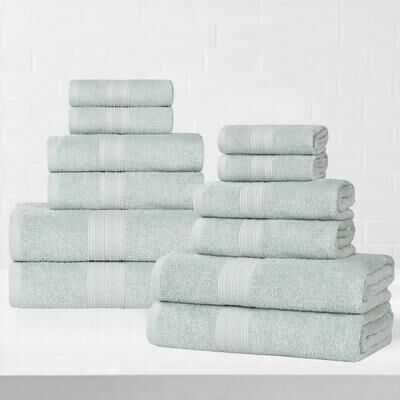
Superior Eco-Friendly Sustainable Cotton 12-Piece Bathroom Towel SetMade with incredibly soft recycled cotton, the Eco-Friendly Sustainable Cotton Bathroom Towel Set is the perfect green addition to any bathroom space. Our sustainable Cotton towels are lightweight to get you dry quickly after a shower or bath.78,99 $*Shipping: 0,00 $Secure redirect to the provider
-
Superior Eco-Friendly Sustainable Cotton 12-Piece Bathroom Towel SetMade with incredibly soft recycled cotton, the Eco-Friendly Sustainable Cotton Bathroom Towel Set is the perfect green addition to any bathroom space. Our sustainable Cotton towels are lightweight to get you dry quickly after a shower or bath.63,19 $*Shipping: 0,00 $Secure redirect to the provider
-
Superior Eco-Friendly Sustainable Cotton 12-Piece Bathroom Towel SetMade with incredibly soft recycled cotton, the Eco-Friendly Sustainable Cotton Bathroom Towel Set is the perfect green addition to any bathroom space. Our sustainable Cotton towels are lightweight to get you dry quickly after a shower or bath.64,59 $*Shipping: 0,00 $Secure redirect to the provider



-
Is it edible to prepare food with rainwater?
It is generally safe to use rainwater for watering plants and other non-consumable uses, but it is not recommended to use rainwater for preparing food or drinking without proper filtration and treatment. Rainwater can pick up contaminants from the atmosphere and the surfaces it comes into contact with, which can make it unsafe for consumption. It is important to use clean, potable water for cooking and drinking to avoid the risk of illness. **
-
Why is rainwater cleaned in the sewage treatment plant?
Rainwater is cleaned in the sewage treatment plant to remove pollutants and contaminants that may have accumulated as the rainwater flows over surfaces and into the sewage system. This helps to prevent the pollution of natural water bodies and protects the environment. Additionally, cleaning rainwater in the sewage treatment plant ensures that the water can be safely recycled and reused for various purposes, such as irrigation or industrial processes. **
-
Is rainwater clean?
Rainwater is generally considered clean as it falls from the sky, but it can pick up pollutants and contaminants as it travels through the atmosphere and lands on surfaces like rooftops. It can pick up pollutants such as dust, dirt, bird droppings, and chemicals from air pollution. Therefore, it is recommended to treat or filter rainwater before consumption to ensure it is safe for drinking or other uses. **
-
What is rainwater?
Rainwater is water that falls from the atmosphere as a result of condensation of water vapor. It is a natural source of freshwater and is essential for the survival of plants, animals, and humans. Rainwater is typically clean and free of pollutants, making it a valuable resource for drinking, irrigation, and other uses. It plays a crucial role in the water cycle, replenishing rivers, lakes, and groundwater supplies. **


What happens to the rainwater in the sewage treatment plant?
In a sewage treatment plant, rainwater is typically collected and mixed with the wastewater from homes and businesses. The combined water then goes through a series of treatment processes to remove solids, pollutants, and contaminants. After treatment, the cleaned water is released back into the environment, such as rivers or oceans, or it may be reused for irrigation or industrial purposes. The remaining solids and sludge are further processed and disposed of in a safe and environmentally friendly manner. **
Why is rainwater acidic?
Rainwater becomes acidic due to the presence of carbon dioxide in the atmosphere. When carbon dioxide dissolves in rainwater, it forms carbonic acid, lowering the pH of the rainwater. Additionally, pollutants such as sulfur dioxide and nitrogen oxides can also mix with rainwater, further lowering its pH and making it more acidic. This acidic rainwater can have harmful effects on the environment, including damaging plants, aquatic life, and infrastructure. **
Top-Angebote
Products related to Rainwater:
-
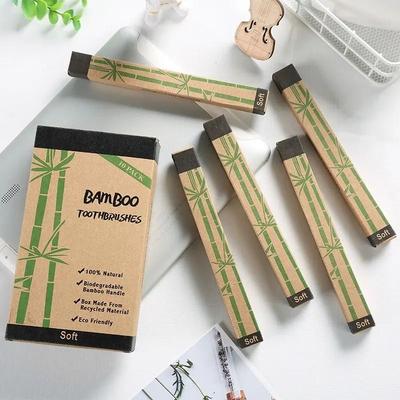
Uplift Essentials Natural Bamboo Eco Friendly Toothbrush 10 Piece Sustainable Family Pack Natural Bamboo Eco Friendly Toothbrush 10 Piece Sustainable Family PackTransition to a greener routine with this Natural Bamboo Toothbrush Set, a premium collection of bamboo products designed to reduce environmental impact without compromising on performance. Each handle is crafted from 100% sustainable bamboo,...37,97 $*Shipping: 0,00 $Secure redirect to the provider
-
Superior Eco-Friendly Sustainable Cotton 6-Piece Bathroom Towel SetMade with incredibly soft recycled cotton, the Eco-Friendly Sustainable Cotton Bathroom Towel Set is the perfect green addition to any bathroom space. Our sustainable Cotton towels have a lightweight to get you dry quickly after a shower or bath.43,99 $*Shipping: 0,00 $Secure redirect to the provider
-
Superior Eco-Friendly Sustainable Cotton 12-Piece Bathroom Towel SetMade with incredibly soft recycled cotton, the Eco-Friendly Sustainable Cotton Bathroom Towel Set is the perfect green addition to any bathroom space. Our sustainable Cotton towels are lightweight to get you dry quickly after a shower or bath.78,99 $*Shipping: 0,00 $Secure redirect to the provider
-
What is an alternative to rainwater?
An alternative to rainwater is using treated or filtered tap water. This water goes through a purification process to remove impurities and contaminants, making it safe for consumption and other uses. Additionally, desalinated water, which is produced by removing salt and minerals from seawater, can also be an alternative to rainwater in areas where freshwater sources are limited. Groundwater extracted from wells is another alternative to rainwater, as long as it is properly managed to prevent depletion and contamination. **
-
Is it safe to prepare food with rainwater?
It is generally not recommended to prepare food with rainwater, as it may contain contaminants from the atmosphere or the surfaces it comes into contact with. Rainwater can pick up pollutants, bacteria, and other harmful substances as it falls from the sky and flows over roofs or other surfaces. It is safer to use treated or filtered water for food preparation to avoid the risk of foodborne illnesses or other health issues. **
-
Is it edible to prepare food with rainwater?
It is generally safe to use rainwater for watering plants and other non-consumable uses, but it is not recommended to use rainwater for preparing food or drinking without proper filtration and treatment. Rainwater can pick up contaminants from the atmosphere and the surfaces it comes into contact with, which can make it unsafe for consumption. It is important to use clean, potable water for cooking and drinking to avoid the risk of illness. **
-
Why is rainwater cleaned in the sewage treatment plant?
Rainwater is cleaned in the sewage treatment plant to remove pollutants and contaminants that may have accumulated as the rainwater flows over surfaces and into the sewage system. This helps to prevent the pollution of natural water bodies and protects the environment. Additionally, cleaning rainwater in the sewage treatment plant ensures that the water can be safely recycled and reused for various purposes, such as irrigation or industrial processes. **
Similar search terms for Rainwater
-
Superior Eco-Friendly Sustainable Cotton 12-Piece Bathroom Towel SetMade with incredibly soft recycled cotton, the Eco-Friendly Sustainable Cotton Bathroom Towel Set is the perfect green addition to any bathroom space. Our sustainable Cotton towels are lightweight to get you dry quickly after a shower or bath.63,19 $*Shipping: 0,00 $Secure redirect to the provider
-
Superior Eco-Friendly Sustainable Cotton 12-Piece Bathroom Towel SetMade with incredibly soft recycled cotton, the Eco-Friendly Sustainable Cotton Bathroom Towel Set is the perfect green addition to any bathroom space. Our sustainable Cotton towels are lightweight to get you dry quickly after a shower or bath.64,59 $*Shipping: 0,00 $Secure redirect to the provider
-
Superior Eco-Friendly Sustainable Cotton 12-Piece Bathroom Towel SetMade with incredibly soft recycled cotton, the Eco-Friendly Sustainable Cotton Bathroom Towel Set is the perfect green addition to any bathroom space. Our sustainable Cotton towels are lightweight to get you dry quickly after a shower or bath.80,99 $*Shipping: 0,00 $Secure redirect to the provider
-
Superior Eco-Friendly Sustainable Cotton 12-Piece Bathroom Towel SetMade with incredibly soft recycled cotton, the Eco-Friendly Sustainable Cotton Bathroom Towel Set is the perfect green addition to any bathroom space. Our sustainable Cotton towels are lightweight to get you dry quickly after a shower or bath.61,90 $*Shipping: 0,00 $Secure redirect to the provider
-
Is rainwater clean?
Rainwater is generally considered clean as it falls from the sky, but it can pick up pollutants and contaminants as it travels through the atmosphere and lands on surfaces like rooftops. It can pick up pollutants such as dust, dirt, bird droppings, and chemicals from air pollution. Therefore, it is recommended to treat or filter rainwater before consumption to ensure it is safe for drinking or other uses. **
-
What is rainwater?
Rainwater is water that falls from the atmosphere as a result of condensation of water vapor. It is a natural source of freshwater and is essential for the survival of plants, animals, and humans. Rainwater is typically clean and free of pollutants, making it a valuable resource for drinking, irrigation, and other uses. It plays a crucial role in the water cycle, replenishing rivers, lakes, and groundwater supplies. **
-
What happens to the rainwater in the sewage treatment plant?
In a sewage treatment plant, rainwater is typically collected and mixed with the wastewater from homes and businesses. The combined water then goes through a series of treatment processes to remove solids, pollutants, and contaminants. After treatment, the cleaned water is released back into the environment, such as rivers or oceans, or it may be reused for irrigation or industrial purposes. The remaining solids and sludge are further processed and disposed of in a safe and environmentally friendly manner. **
-
Why is rainwater acidic?
Rainwater becomes acidic due to the presence of carbon dioxide in the atmosphere. When carbon dioxide dissolves in rainwater, it forms carbonic acid, lowering the pH of the rainwater. Additionally, pollutants such as sulfur dioxide and nitrogen oxides can also mix with rainwater, further lowering its pH and making it more acidic. This acidic rainwater can have harmful effects on the environment, including damaging plants, aquatic life, and infrastructure. **
* All prices are inclusive of VAT and, if applicable, plus shipping costs. The offer information is based on the details provided by the respective shop and is updated through automated processes. Real-time updates do not occur, so deviations can occur in individual cases. ** Note: Parts of this content were created by AI.