Buy future-food.eu ?
We are moving the project
future-food.eu .
Are you interested in purchasing the domain
future-food.eu ?
domain@kv-gmbh.de · 0541-91531010
Buy future-food.eu ?
What is the difference between electrode deposition and electrode sedimentation?
Electrode deposition and electrode sedimentation are both processes used to coat a substrate with a layer of material through electrochemical methods. The main difference between the two is the mechanism by which the material is deposited onto the substrate. In electrode deposition, the material is directly deposited onto the substrate through the application of an electric current, while in electrode sedimentation, the material is first dispersed in a solution and then allowed to settle onto the substrate through gravity or other external forces. Overall, electrode deposition is a more controlled and precise process, while electrode sedimentation is more reliant on the settling behavior of the dispersed material. **
What is the standard electrode potential?
The standard electrode potential is a measure of the tendency of an electrode to gain or lose electrons when it is in contact with a solution of its own ions. It is measured under standard conditions, which include a concentration of 1 mol/L for all ions involved, a pressure of 1 atm for gases, and a temperature of 25°C. The standard electrode potential is used to compare the reactivity of different electrodes and to predict the direction of redox reactions. It is also used to calculate the electromotive force (EMF) of a cell. **


Similar search terms for Electrode
Top-Angebote
Products related to Electrode:
-
Uplift Essentials Natural Bamboo Eco Friendly Toothbrush 10 Piece Sustainable Family Pack Natural Bamboo Eco Friendly Toothbrush 10 Piece Sustainable Family PackTransition to a greener routine with this Natural Bamboo Toothbrush Set, a premium collection of bamboo products designed to reduce environmental impact without compromising on performance. Each handle is crafted from 100% sustainable bamboo,...37,97 $*Shipping: 0,00 $Secure redirect to the provider
-
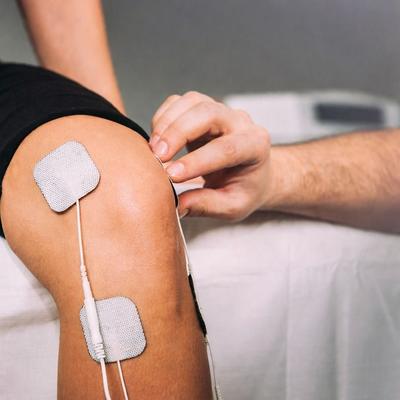
Drop Dash Deals Electrode Pads EMS Replacement For Muscle Stimulator Electrode Pads EMS Replacement For Muscle StimulatorUnleash the power of your muscle stimulator with these 40 pcs highquality, reusable TENS electrode pads. Designed for those who demand reliable performance, these pads are perfect for enhancing recovery and relieving pain. Whether you're managing...49,97 $*Shipping: 0,00 $Secure redirect to the provider
-
Superior Eco-Friendly Sustainable Cotton 12-Piece Bathroom Towel SetMade with incredibly soft recycled cotton, the Eco-Friendly Sustainable Cotton Bathroom Towel Set is the perfect green addition to any bathroom space. Our sustainable Cotton towels are lightweight to get you dry quickly after a shower or bath.78,99 $*Shipping: 0,00 $Secure redirect to the provider
-
Uplifted Finds 10 Electrode EMS Abdominal Toning & Fitness Belt 6 Electrode PadAchieve your fitness goals with our advanced 10Electrode EMS Muscle Stimulator Belt. Designed for highefficiency core training, this belt uses electrical muscle stimulation (EMS) to directly engage your abdominal muscles, promoting toning,...142,97 $*Shipping: 0,00 $Secure redirect to the provider



-
Is electrode welding dangerous for beginners?
Electrode welding can be dangerous for beginners if proper safety precautions are not followed. The high temperatures and intense light produced during the welding process can cause burns, eye damage, and exposure to harmful fumes. Beginners should receive proper training and guidance on how to use welding equipment safely, as well as wear appropriate protective gear such as welding helmets, gloves, and clothing. With the right safety measures in place, beginners can learn electrode welding safely and effectively. **
-
Which tungsten electrode is used for welding?
The most commonly used tungsten electrode for welding is the thoriated tungsten electrode, which is also known as 2% thoriated tungsten. This electrode is popular for its ability to maintain a stable arc and its high resistance to thermal shock, making it suitable for both AC and DC welding applications. Additionally, it has a long lifespan and can be used for welding a variety of metals, including steel, stainless steel, and nickel alloys. **
-
How does electrode welding with gap work?
Electrode welding with gap works by creating an arc between the welding electrode and the workpiece, which generates intense heat to melt the metal and create a weld. The gap between the electrode and the workpiece allows for better control of the welding process and helps to prevent sticking of the electrode to the workpiece. The gap also allows for better penetration of the weld into the workpiece, resulting in a stronger and more reliable weld. This method is commonly used in manual metal arc welding processes. **
-
How can electrodes be saved during electrode welding?
Electrodes can be saved during electrode welding by using proper welding techniques such as maintaining the correct arc length, angle, and travel speed. It is important to ensure that the electrode is not overheated or stuck to the workpiece, as this can lead to excessive consumption of the electrode. Additionally, using the appropriate electrode size and type for the specific welding application can help prolong the life of the electrode. Regularly cleaning the electrode and removing any slag buildup can also help extend its lifespan. **


How does electrode welding with HF ignition work?
Electrode welding with HF ignition works by using a high-frequency spark to initiate the arc between the electrode and the workpiece. The high-frequency spark creates a path for the current to flow, allowing the arc to be established without the need for the electrode to make contact with the workpiece. This method helps to reduce the risk of electrode sticking and allows for a smoother and more stable arc. HF ignition also helps to improve the overall quality of the weld by providing a more consistent and controlled arc initiation. **
Why can the electrode potential not be measured?
The electrode potential cannot be directly measured because it is a relative value, meaning it depends on the potential of another electrode in the same system. In order to measure the electrode potential, a reference electrode with a known potential is needed to compare it to. This comparison allows for the determination of the potential difference between the two electrodes, which is the electrode potential. Therefore, the electrode potential itself cannot be measured in isolation, but only in comparison to a reference electrode. **
Top-Angebote
Products related to Electrode:
-
Uplifted Finds 10 Electrode EMS Abdominal Toning & Fitness Belt 10 Electrode PadAchieve your fitness goals with our advanced 10Electrode EMS Muscle Stimulator Belt. Designed for highefficiency core training, this belt uses electrical muscle stimulation (EMS) to directly engage your abdominal muscles, promoting toning,...177,97 $*Shipping: 0,00 $Secure redirect to the provider
-
Uplift Picks EMS Ab Toning Belt With 10 Electrode Pads 6 Electrode PadMake your fitness routine more flexible with targeted muscle stimulation you can use almost anywhere. This EMS muscle stimulator belt features 10 contact electrodes that send gentle electrical pulses across the abdominal area. Choose from 10 modes...106,48 $*Shipping: 0,00 $Secure redirect to the provider
-
Uplift Essentials Natural Bamboo Eco Friendly Toothbrush 10 Piece Sustainable Family Pack Natural Bamboo Eco Friendly Toothbrush 10 Piece Sustainable Family PackTransition to a greener routine with this Natural Bamboo Toothbrush Set, a premium collection of bamboo products designed to reduce environmental impact without compromising on performance. Each handle is crafted from 100% sustainable bamboo,...37,97 $*Shipping: 0,00 $Secure redirect to the provider
-
Drop Dash Deals Electrode Pads EMS Replacement For Muscle Stimulator Electrode Pads EMS Replacement For Muscle StimulatorUnleash the power of your muscle stimulator with these 40 pcs highquality, reusable TENS electrode pads. Designed for those who demand reliable performance, these pads are perfect for enhancing recovery and relieving pain. Whether you're managing...49,97 $*Shipping: 0,00 $Secure redirect to the provider
-
What is the difference between electrode deposition and electrode sedimentation?
Electrode deposition and electrode sedimentation are both processes used to coat a substrate with a layer of material through electrochemical methods. The main difference between the two is the mechanism by which the material is deposited onto the substrate. In electrode deposition, the material is directly deposited onto the substrate through the application of an electric current, while in electrode sedimentation, the material is first dispersed in a solution and then allowed to settle onto the substrate through gravity or other external forces. Overall, electrode deposition is a more controlled and precise process, while electrode sedimentation is more reliant on the settling behavior of the dispersed material. **
-
What is the standard electrode potential?
The standard electrode potential is a measure of the tendency of an electrode to gain or lose electrons when it is in contact with a solution of its own ions. It is measured under standard conditions, which include a concentration of 1 mol/L for all ions involved, a pressure of 1 atm for gases, and a temperature of 25°C. The standard electrode potential is used to compare the reactivity of different electrodes and to predict the direction of redox reactions. It is also used to calculate the electromotive force (EMF) of a cell. **
-
Is electrode welding dangerous for beginners?
Electrode welding can be dangerous for beginners if proper safety precautions are not followed. The high temperatures and intense light produced during the welding process can cause burns, eye damage, and exposure to harmful fumes. Beginners should receive proper training and guidance on how to use welding equipment safely, as well as wear appropriate protective gear such as welding helmets, gloves, and clothing. With the right safety measures in place, beginners can learn electrode welding safely and effectively. **
-
Which tungsten electrode is used for welding?
The most commonly used tungsten electrode for welding is the thoriated tungsten electrode, which is also known as 2% thoriated tungsten. This electrode is popular for its ability to maintain a stable arc and its high resistance to thermal shock, making it suitable for both AC and DC welding applications. Additionally, it has a long lifespan and can be used for welding a variety of metals, including steel, stainless steel, and nickel alloys. **
Similar search terms for Electrode
-
Superior Eco-Friendly Sustainable Cotton 12-Piece Bathroom Towel SetMade with incredibly soft recycled cotton, the Eco-Friendly Sustainable Cotton Bathroom Towel Set is the perfect green addition to any bathroom space. Our sustainable Cotton towels are lightweight to get you dry quickly after a shower or bath.78,99 $*Shipping: 0,00 $Secure redirect to the provider
-
Uplifted Finds 10 Electrode EMS Abdominal Toning & Fitness Belt 6 Electrode PadAchieve your fitness goals with our advanced 10Electrode EMS Muscle Stimulator Belt. Designed for highefficiency core training, this belt uses electrical muscle stimulation (EMS) to directly engage your abdominal muscles, promoting toning,...142,97 $*Shipping: 0,00 $Secure redirect to the provider
-
Uplift Picks EMS Ab Toning Belt With 10 Electrode Pads 10 Electrode PadMake your fitness routine more flexible with targeted muscle stimulation you can use almost anywhere. This EMS muscle stimulator belt features 10 contact electrodes that send gentle electrical pulses across the abdominal area. Choose from 10 modes...130,48 $*Shipping: 0,00 $Secure redirect to the provider
-
Superior Eco-Friendly Sustainable Cotton 12-Piece Bathroom Towel SetMade with incredibly soft recycled cotton, the Eco-Friendly Sustainable Cotton Bathroom Towel Set is the perfect green addition to any bathroom space. Our sustainable Cotton towels are lightweight to get you dry quickly after a shower or bath.63,19 $*Shipping: 0,00 $Secure redirect to the provider
-
How does electrode welding with gap work?
Electrode welding with gap works by creating an arc between the welding electrode and the workpiece, which generates intense heat to melt the metal and create a weld. The gap between the electrode and the workpiece allows for better control of the welding process and helps to prevent sticking of the electrode to the workpiece. The gap also allows for better penetration of the weld into the workpiece, resulting in a stronger and more reliable weld. This method is commonly used in manual metal arc welding processes. **
-
How can electrodes be saved during electrode welding?
Electrodes can be saved during electrode welding by using proper welding techniques such as maintaining the correct arc length, angle, and travel speed. It is important to ensure that the electrode is not overheated or stuck to the workpiece, as this can lead to excessive consumption of the electrode. Additionally, using the appropriate electrode size and type for the specific welding application can help prolong the life of the electrode. Regularly cleaning the electrode and removing any slag buildup can also help extend its lifespan. **
-
How does electrode welding with HF ignition work?
Electrode welding with HF ignition works by using a high-frequency spark to initiate the arc between the electrode and the workpiece. The high-frequency spark creates a path for the current to flow, allowing the arc to be established without the need for the electrode to make contact with the workpiece. This method helps to reduce the risk of electrode sticking and allows for a smoother and more stable arc. HF ignition also helps to improve the overall quality of the weld by providing a more consistent and controlled arc initiation. **
-
Why can the electrode potential not be measured?
The electrode potential cannot be directly measured because it is a relative value, meaning it depends on the potential of another electrode in the same system. In order to measure the electrode potential, a reference electrode with a known potential is needed to compare it to. This comparison allows for the determination of the potential difference between the two electrodes, which is the electrode potential. Therefore, the electrode potential itself cannot be measured in isolation, but only in comparison to a reference electrode. **
* All prices are inclusive of VAT and, if applicable, plus shipping costs. The offer information is based on the details provided by the respective shop and is updated through automated processes. Real-time updates do not occur, so deviations can occur in individual cases. ** Note: Parts of this content were created by AI.